Yo, folks! As a supplier of leaching agents, I get this question a lot: Can leaching agents be used in water treatment? Well, let’s dive right into it and break it down in plain English. Leaching Agent
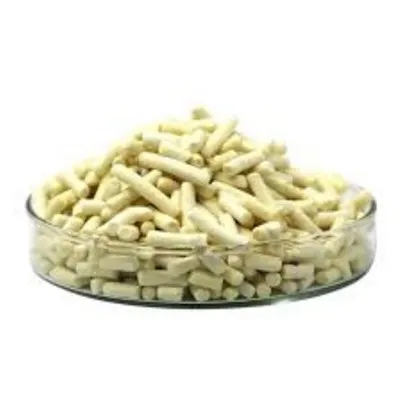
First off, what the heck are leaching agents? Leaching agents are substances that are used to extract specific components from a solid material by dissolving them. They’re like the secret sauce in many industrial processes. Now, when it comes to water treatment, things get a little more delicate.
Water treatment is all about making water safe for use, whether it’s for drinking, industrial purposes, or even just returning it to the environment in a clean state. There are different types of pollutants in water – from heavy metals like lead and mercury to organic compounds and even microorganisms.
So, can leaching agents play a role here? The short answer is yes, but with a whole bunch of ifs, ands, and buts.
Let’s start with the good stuff. Some leaching agents can be super useful in removing heavy metals from water. For example, certain chelating leaching agents have a knack for grabbing onto heavy metal ions and forming stable complexes. These complexes can then be easily separated from the water through processes like precipitation or filtration. This is a huge deal because heavy metals are toxic and can cause all sorts of health problems if they end up in our water supply.
In industrial water treatment, leaching agents can also be used to clean up wastewater contaminated with specific chemicals. Let’s say there’s a factory that uses a lot of copper in its manufacturing process. The wastewater from that factory might have a high copper content. A well – chosen leaching agent can be used to extract the copper from the water, allowing the water to be reused or safely discharged.
But here’s where things get a bit tricky. Not all leaching agents are created equal, and not all of them are suitable for water treatment. Some leaching agents are themselves toxic or can react with other substances in the water to form even more harmful compounds. For instance, some strong acid – based leaching agents can lower the pH of the water to dangerous levels, making it corrosive and harmful to the environment and any infrastructure it comes into contact with.
Another concern is the cost. Using leaching agents in water treatment can be expensive. You’ve got to factor in the cost of the agent itself, the equipment needed to add and mix it with the water, and the cost of disposing of the waste products generated during the treatment process. And if the leaching agent doesn’t work as expected, you’re looking at a whole lot of wasted time and money.
There are also regulatory issues. Water treatment is a highly regulated field, and any chemicals used in the process need to meet strict safety and environmental standards. Before you can start using a leaching agent in water treatment, you’ve got to make sure it’s approved by the relevant authorities. This often involves a lot of testing and paperwork, which can be a real pain in the butt.
Now, let’s talk about the types of leaching agents that are commonly used in water treatment.
One of the most well – known leaching agents is sodium hydroxide, also known as caustic soda. It’s a strong base that can be used to adjust the pH of water and to precipitate certain metals. For example, it can react with heavy metal ions like iron and aluminum to form insoluble hydroxides, which can then be removed through sedimentation.
Another popular option is hydrogen peroxide. It’s a powerful oxidizing agent that can be used to break down organic pollutants in water. It’s relatively safe to use and doesn’t leave behind any harmful residues in most cases.
There are also some more specialized leaching agents out there. For example, some bio – based leaching agents are being developed. These are made from natural substances like plants or microorganisms and are considered more environmentally friendly. They can be used to extract metals from water in a more sustainable way.
So, if you’re thinking about using leaching agents in water treatment, here’s what you need to do.
First, you need to analyze the water you’re dealing with. What kind of pollutants are in it? How much of each pollutant is there? This will help you choose the right leaching agent. You can’t just go in blindly and start throwing any old leaching agent into the mix.
Next, you need to do some small – scale testing. Try out the leaching agent on a small sample of the water to see how it works. Does it actually remove the pollutants? Does it cause any unwanted side effects? This will save you a lot of headaches in the long run.
Once you’ve found a leaching agent that works, you need to make sure you’re using it correctly. Follow the instructions on the label, and make sure you’ve got the right equipment for the job. And don’t forget about safety. Always wear the appropriate protective gear when handling leaching agents.
As a supplier of leaching agents, I’m here to help. I’ve got a wide range of leaching agents that are suitable for different types of water treatment applications. Whether you’re dealing with heavy metals, organic pollutants, or something else entirely, I can help you find the right solution.
If you’re interested in learning more about our leaching agents or want to discuss your water treatment needs, don’t hesitate to reach out. We can have a chat, figure out what’s best for you, and get you started on the right track. Let’s work together to make our water cleaner and safer for everyone.
Frother References:
- "Water Treatment Handbook" by some well – known water treatment experts.
- Various research papers on the use of leaching agents in environmental science journals.
Bitop Bihope Qingdao Mining Co., Ltd
Bitop Bihope Qingdao Mining Co., Ltd. is one of the most professional leaching agent manufacturers and suppliers in China, featured by quality products and low price. Please rest assured to buy discount leaching agent in stock here and get quotation from our factory. Customized orders are welcome.
Address: Room 410, 4th Floor, Shengquan Business Building, No. 263 Yitong Road, Huangdao District, Qingdao City, Shandong Province, China
E-mail: btbhmining@163.com
WebSite: https://www.btbhmining.com/
