Hey there! As a supplier of floating ball valves, I often get asked if these valves can be automated. And the short answer is yes, they absolutely can. Let’s dive into this topic to understand how and why automating floating ball valves makes sense. Floating Ball Valve
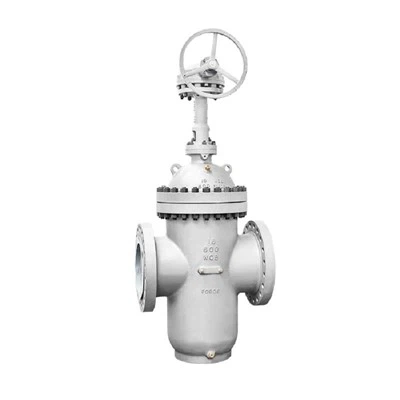
First off, let me explain what a floating ball valve is. A floating ball valve has a ball that’s not fixed to the stem and floats within the valve body. When you turn the valve handle, the ball rotates, either allowing fluid to flow through when the port in the ball aligns with the pipe or blocking the flow when it doesn’t. These valves are super popular in a bunch of industries like oil and gas, chemical, and water treatment because they’re reliable, easy to operate, and seal well.
So, why would you want to automate a floating ball valve? Well, there are a few good reasons. One of the main ones is efficiency. In a big industrial plant, manually operating valves can be time – consuming and labor – intensive. With an automated floating ball valve, you can control the valve remotely. This means that operators can open or close the valve from a control room, saving time and effort.
Take an oil refinery as an example. There are tons of valves that need to be adjusted at different stages of the refining process. If these valves were manual, workers would have to run around the plant constantly, which is not only inefficient but also dangerous. By automating the floating ball valves, the whole process can be streamlined. The control system can open and close the valves at the right time, ensuring a smooth and continuous operation.
Another reason for automation is accuracy. Automated systems can be programmed to open or close the valve to a specific degree. This is crucial in applications where precise flow control is needed. For instance, in a chemical manufacturing process, the wrong amount of a chemical flowing through a valve can mess up the entire reaction. An automated floating ball valve can be set to allow just the right amount of the chemical to pass through, improving the quality of the final product.
Safety is also a major factor. In some industries, the fluids flowing through the pipes can be hazardous, like toxic chemicals or high – pressure gases. Manually operating valves in these situations can put workers at risk. Automated valves can be used in emergency shutdown systems. If there’s a problem, like a leak or a pressure spike, the system can automatically close the valve, preventing further damage and protecting the workers.
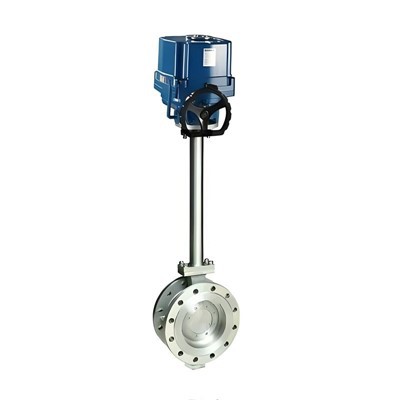
Now, let’s talk about how we can automate a floating ball valve. There are a couple of common ways to do it. The first one is using an electric actuator. An electric actuator is basically a motor that can turn the valve handle. It’s connected to a control system, which can send signals to the actuator to open or close the valve. Electric actuators are great because they’re easy to install and maintain. They can also be programmed to operate at specific times or in response to certain conditions.
Another option is a pneumatic actuator. Pneumatic actuators use compressed air to move the valve. They’re fast – acting and can generate a lot of force, which is useful for large – sized valves. These actuators are also relatively simple and reliable. In a lot of industrial settings, compressed air is already available, so using a pneumatic actuator can be a cost – effective solution.
There are also hydraulic actuators. Hydraulic actuators use a liquid, usually oil, to generate the force needed to operate the valve. They’re very powerful and can handle high – pressure applications. However, they’re more complex and expensive than electric and pneumatic actuators. They also require a hydraulic power unit, which needs to be maintained properly.
Installing an automated system on a floating ball valve isn’t all sunshine and rainbows, though. There are some challenges. One of the main issues is compatibility. The actuator you choose has to be compatible with the valve in terms of size, torque, and operating speed. If they’re not compatible, the system might not work properly or could even damage the valve.
Cost is another factor. Automating a valve can be expensive, especially if you’re going for a high – end system with advanced features. There’s not only the cost of the actuator but also the cost of the control system, installation, and maintenance. However, in the long run, the benefits of automation, such as increased efficiency and safety, can outweigh the initial investment.
When it comes to maintenance, an automated floating ball valve requires a bit more attention than a manual one. You need to regularly check the actuator and the control system to make sure they’re working properly. This includes checking for leaks, loose connections, and sensor malfunctions. But if you keep up with the maintenance, the automated system can serve you well for a long time.
In my experience as a floating ball valve supplier, I’ve seen more and more customers showing interest in automation. They’re realizing that automation can give them a competitive edge in the market. Whether it’s improving product quality, reducing operating costs, or enhancing safety, automating floating ball valves is a smart move.
If you’re in the market for floating ball valves and considering automation, I’d love to have a chat with you. Every application is unique, and we can work together to figure out the best solution for your needs. Whether you’re looking for an electric, pneumatic, or hydraulic actuator, we can provide you with high – quality products and expert advice.
Don’t hesitate to reach out if you have any questions or if you’re ready to start a discussion about automating your valves. Let’s make your operation more efficient and safer with automated floating ball valves.
Butterfly Valve References:
- Industrial Valve Handbook: Covers basic knowledge about various types of valves including floating ball valves and their applications.
- Journal of Industrial Automation: Contains research on the benefits and challenges of valve automation in different industries.
Wuxi PYNOS Flow-tech Co., Ltd.
As one of the leading floating ball valve manufacturers and suppliers in China, we offer a wide range of products with superior quality. We warmly welcome you to buy high quality floating ball valve made in China here from our factory. We also accept customized orders.
Address: Sales Center: 7th Floor, No.19 Qingyuan RD, Wuxi City, Jiangsu Prov., China
E-mail: Info@pynosvalve.com
WebSite: https://www.pynosvalves.com/
