As a seasoned provider of Cable Harness Assemblies, I’ve witnessed firsthand the ever – evolving demands of various industries for cable harnesses with enhanced environmental adaptability. These assemblies are the lifeblood of countless electronic and mechanical systems, from automotive to aerospace, and the ability to perform in diverse environments is crucial. In this blog, I’ll share some practical ways to increase the environmental adaptability of cable harness assemblies. Cable Harness Assemblies
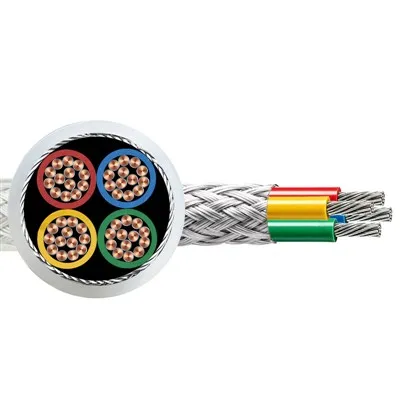
1. Material Selection
The foundation of a cable harness with high environmental adaptability lies in the choice of materials. When dealing with extreme temperatures, for example, we need to use materials that can withstand these harsh conditions.
For high – temperature environments, polymers such as fluoropolymers are excellent choices. Fluoropolymers like PTFE (Polytetrafluoroethylene) have a high melting point and can resist degradation even at temperatures exceeding 200°C. They also have low friction coefficients, which reduces the risk of wear and tear on the cables. In addition, PTFE has excellent chemical resistance, making it suitable for environments where the cables may come into contact with corrosive substances.
On the other hand, in low – temperature environments, materials with good flexibility at low temperatures are essential. Silicone rubber is a popular option. It can maintain its flexibility and mechanical properties even at very low temperatures, which is crucial for preventing cable breakage due to brittleness.
When it comes to moisture and humidity, materials with good water – resistance are necessary. Cross – linked polyethylene (XLPE) is often used as an insulation material in cable harnesses for its excellent water – blocking properties. Additionally, using jackets made of polyurethane (PU) or polyvinyl chloride (PVC) with a high degree of water resistance can further protect the cables from moisture ingress.
2. Design Optimization
The design of the cable harness itself plays a vital role in its environmental adaptability. First, proper cable routing is essential. In a complex system, cables should be routed in a way that minimizes their exposure to environmental stressors. For example, in an automotive engine compartment, cables should be away from sources of high heat, such as the exhaust manifold.
We also need to pay attention to the slack management in the cable harness. Leaving appropriate slack allows the cables to expand and contract with temperature changes without causing excessive stress on the connectors or the cable insulation. Moreover, when designing the harness, we should use strain relief mechanisms at the connection points. These mechanisms, such as cable ties, grommets, or molded strain reliefs, can prevent the cables from being pulled or bent too sharply, which could damage the insulation and conductors.
Another aspect of design optimization is the use of modular design. Modular cable harnesses make it easier to replace damaged sections in the field, which is especially important in harsh environments where the risk of cable damage is higher. It also allows for easier customization of the harness to meet the specific requirements of different applications.
3. Protection and Sealing
Adding protective features to the cable harness is an effective way to increase its environmental adaptability. One common method is the use of cable conduits. Conduits, such as metal or plastic pipes, can provide mechanical protection to the cables, shielding them from physical damage, abrasion, and impact. They also offer some degree of protection against environmental factors such as dust and moisture.
In addition to conduits, proper sealing is crucial, especially in environments where water, dust, or chemicals may penetrate the harness. Sealed connectors are a key component. These connectors are designed to prevent the ingress of contaminants, often using gaskets or o – rings. For example, in outdoor applications or marine environments, waterproof connectors are necessary to ensure the reliability of the cable harness.
We can also use potting compounds to encapsulate the cable harness or specific components. Potting compounds, such as epoxy or polyurethane, can fill the spaces around the cables and connectors, providing protection against moisture, vibration, and shock. They also help to reduce the effects of thermal expansion and contraction.
4. Testing and Quality Control
To ensure the environmental adaptability of cable harness assemblies, thorough testing and strict quality control are essential. We conduct a series of tests to simulate different environmental conditions.
Temperature cycling tests are performed to evaluate how the cable harness behaves under changing temperatures. The harness is subjected to a range of temperatures, from extreme cold to high heat, and then back to normal operating temperature. This test helps to identify any potential issues such as insulation cracking or conductor breakage due to thermal stress.
Humidity tests are also crucial. The cable harness is placed in a high – humidity environment for a certain period, and then its electrical and mechanical properties are measured. This test can detect moisture ingress and its impact on the performance of the harness.
In addition, vibration and shock tests are carried out to simulate the mechanical stresses that the cable harness may encounter during normal operation. These tests help to ensure that the connectors remain secure and the cables do not break under vibration or sudden impacts.
During the manufacturing process, we implement strict quality control measures at every step. This includes inspecting the raw materials, monitoring the assembly process, and conducting final inspections of the finished cable harnesses. Any non – compliant products are immediately reworked or rejected to ensure that only high – quality, environmentally – adaptable cable harnesses are delivered to our customers.
5. Collaboration with Customers
Collaboration with our customers is another important factor in increasing the environmental adaptability of cable harness assemblies. We work closely with them to understand their specific application requirements, including the environmental conditions in which the cable harness will operate.
By having in – depth discussions with our customers, we can gain insights into the unique challenges they face. For example, if a customer is using the cable harness in a chemical – processing plant, we need to know about the types of chemicals present, the temperature and humidity levels, and the potential sources of mechanical stress. Based on this information, we can recommend the most suitable materials, design features, and protection methods for the cable harness.
We also provide technical support to our customers throughout the product lifecycle. This includes assisting with installation, troubleshooting, and maintenance. By building a strong partnership with our customers, we can ensure that the cable harnesses we supply meet their expectations and perform reliably in their intended environments.
In conclusion, increasing the environmental adaptability of cable harness assemblies requires a comprehensive approach that involves material selection, design optimization, protection and sealing, testing and quality control, and collaboration with customers. As a cable harness assemblies provider, we are committed to delivering high – quality products that can perform in the most challenging environments.
If you are looking for cable harness assemblies with excellent environmental adaptability for your project, we would love to discuss your requirements. Contact us to start a purchase negotiation and find the best – fit cable harness solutions for your needs.
Cable Assemblies & Accessories References
- "Electrical Wiring and Cable Handbook" by Thomas A. Litchford
- "Handbook of Cable Assembly" by Harry F. Olson
- Industry research reports on cable harness manufacturing and environmental adaptability
Yangzhou Huayu Cable Co., Ltd.
Yangzhou Huayu Cable Co., Ltd. is one of the most professional cable harness assemblies manufacturers and suppliers in China, also supports customized service with low price. Please feel free to wholesale advanced cable harness assemblies made in China here from our factory. Contact us for pricelist.
Address: No. 9 Jingang Road, Yangzhou City, Jiangsu Province, China
E-mail: huayucableco@126.com
WebSite: https://www.huayucabletech.com/
