As the owner of a small outdoor power equipment supply company, I’ve spent over 12 years troubleshooting every issue customers bring to my shop—and none are more common than grass chopper problems in spring. I’ve seen brand-new choppers seize up mid-job because someone skipped off-season storage, and I’ve had loyal clients drive 45 minutes just to ask, “Why won’t my old chopper start after winter?” If you’re a homeowner, small landscaping business, or even a larger property manager, off-season grass chopper storage isn’t just about shoving it in a shed for six months. It’s about protecting the investment you made, so you don’t drop hundreds on repairs (or a whole new unit) once the first mowing day rolls around. Grass Chopper
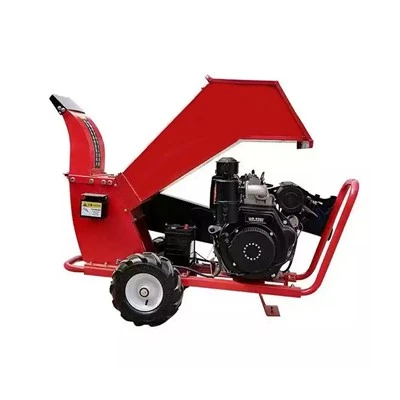
Let’s break this down step by step, using advice I’ve refined from years of field calls and testing. First, the timeline matters. For most of us in temperate zones, off-season storage runs from late fall (after the last mow of the year) to early spring, when soil temperatures hit 50°F consistently. If you’re in a region with year-round mild weather, this still applies—you just might store your chopper for a “slower” period rather than a cold winter. The biggest mistake people make is waiting until the chopper is dead to start prepping it. I’ve had customers bring me units with grass caked so thick on the deck that it’s already corroding the metal, just because they threw it in the garage the second their lawn stopped needing mowing.
Start with the quick, non-negotiable prep: a deep clean. This isn’t just hosing off grass clippings—it’s removing every trace of moisture and debris, because that’s where rust and mold start. Grass clippings are especially tricky because they hold moisture, and the nitrogen in them accelerates corrosion. I always tell customers to use a stiff bristle brush and a garden hose (no pressure washer—too much water can seep into engine seals and cause damage) to scrub the underside of the deck, the blade, and the engine fins. For caked-on grass that won’t budge, a little dish soap and warm water works better than harsh chemicals. Once you’re done, leave the chopper in a well-ventilated area for 24 hours to air dry completely. Rushing this step is like leaving a wet sponge in a closed box for months—you’re setting yourself up for rust and mold.
Next, the engine. This is the heart of your grass chopper, and neglecting it is the number one cause of spring failures. Let’s start with the fuel system. Old fuel is the enemy here—gasoline breaks down in as little as 30 days, leaving gummy residue that clogs carburetors and fuel lines. I’ve seen more carburetor replacements in spring than any other repair, all because someone topped off the tank in October and forgot about it. Your two options here: if you’re storing for more than 30 days, you can either run the tank dry (which means running the engine until it stalls, so no leftover gas) or add a fuel stabilizer. If you go the stabilizer route, follow the bottle’s instructions—usually, you add it to a full tank of fresh gas before running the engine for 5 minutes to let it circulate through the fuel lines. Never use old, leftover gas from the previous mowing season—always use fresh fuel, and add a fuel stabilizer even if you run the tank dry, just as an extra layer of protection for seals. While you’re at it, change the engine oil. Old oil is full of dirt and moisture that can damage bearings over winter. I recommend using a SAE 30 weight oil for most small engines, and changing it right before storage, not right before use in spring.
The blade is another key part. A dull blade can make your mowing job harder in spring, and a rusty or nicked blade can cause balance issues that shake your chopper apart. Before storage, remove the blade, use a file or bench grinder to sharpen the cutting edges, and inspect it for any nicks or bends. If it’s badly damaged, replace it—don’t try to grind out a deep nick, it’ll throw off the balance once you start the engine again. Once it’s sharp, wipe it down with a light coat of oil to prevent rust, then wrap it in a paper towel or cloth and store it in a dry spot. If you leave the blade on the chopper, make sure it’s completely dry and free of grass before storing, and touch it up with oil every few weeks during storage.
Now, the storage location. This isn’t just “where can I fit it?” It’s about temperature, humidity, and protection from pests. The worst place to store a grass chopper is an unheated, damp garage or shed. In cold climates, temperature swings cause condensation inside the engine and fuel tank, and high humidity speeds up rust. The best options are a climate-controlled garage, a covered storage shed, or even a heavy-duty outdoor storage cover (but only if you elevate the chopper off the ground to let air circulate underneath). If you have to store it outside, invest in a waterproof, UV-resistant cover—UV rays can crack engine hoses and plastic parts over time, and water can seep into small crevices. Also, watch for pests. Mice and rats love to nest in small engine compartments, and their nests can chew through wiring and clog air filters. I always tell customers to use mouse traps or store a rodent repellent (like cedar blocks or peppermint-soaked cotton balls) near the chopper, or even stuff a wire mesh ball in the exhaust pipe to block access.
Once the chopper is in storage, don’t just leave it there—do a monthly check. It only takes 10 minutes, but it can save you hundreds in repairs in spring. I recommend checking a few things: first, the fuel system—if you added a stabilizer, make sure there’s no water buildup (you can test this by putting a small amount of gas in a container and looking for a separate layer of water at the bottom). Second, check the blade for any rust forming—if there’s a small spot, wipe it down with steel wool and reapply oil. Third, check the tires. Flat spots on tires are a big issue if you leave a chopper sitting for months. If you can, inflate the tires to the recommended pressure (it’s on the tire sidewall) and turn the chopper 90 degrees every month to shift the weight and prevent flat spots. If you can’t move it, put wooden blocks under the frame to take pressure off the tires.
When spring rolls around, the prep is just as important to get it running. First, drain any old gas from the tank, replace the fuel filter if it’s been more than a year, and add fresh fuel with a new dose of stabilizer. Change the engine oil again—old oil from winter will have collected moisture and debris, so fresh oil is a must. Sharpen the blade if it’s dull, or reinstall the one you stored, making sure it’s tightened to the manufacturer’s torque specs (usually around 40-50 ft-lbs). Check the spark plug—if it’s dirty or corroded, replace it. Finally, give it a test run in a small, open area before you head out to mow your lawn. If it doesn’t start, don’t panic—most of the time, it’s a clogged carburetor from old gas, which a quick clean from your local shop can fix for under $50.
Now, I know a lot of customers ask, “Can I just leave my chopper in storage without all this work?” Sure—but I’ve had a customer whose $1,800 commercial chopper seized up last spring because he skipped cleaning the deck, and he ended up spending $700 on repairs plus a week without his equipment. For a homeowner, that’s a month of waiting to get your lawn mowed. For a small landscaping business, that’s lost revenue. That’s why we built our company around supplying durable grass choppers with off-season care guides built in—because we don’t just sell equipment, we want our customers’ investments to last as long as possible.
If you’re a homeowner looking for a new chopper that’s built for easy storage, or a small business owner wanting a commercial model that can handle 10+ years of use, we’re here to help. Our team has over 20 years of experience in outdoor power equipment, and we can help you pick the right chopper for your lawn size, budget, and storage needs. We also offer maintenance kits that include fuel stabilizer, oil, a blade sharpener, and pest repellents—all tailored to our chopper models, so you don’t have to hunt for the right products.
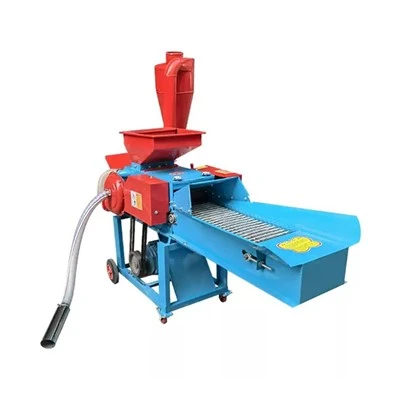
If you’re ready to browse our selection of grass choppers, or want to ask a question about your current unit’s storage needs, reach out to our team to discuss your requirements. We’re always happy to help you make the most of your equipment, whether you’re mowing a small backyard or managing a multi-acre property.
Chaff Cutter References
Small Engine Repair Association. (2022). Off-Season Storage Best Practices for Small Outdoor Power Equipment.
American Lawn Mower Manufacturers Association. (2023). Maintenance Guidelines for Residential and Commercial Grass Choppers.
University of California Agriculture and Natural Resources. (2021). Corrosion Prevention for Outdoor Equipment in Temperate Climates.
Zhengzhou Xinyihaotong Machinery Manufacturing Co., Ltd.
As one of the most professional grass chopper manufacturers in China, we also support custom service. We warmly welcome you to buy high quality grass chopper for sale here from our factory. For price consultation, contact us.
Address: Rooms 2301–2312, Jiayi Building, Xinxiang City, Henan Province, China
E-mail: zhaoyixuan5566@gmail.com
WebSite: https://www.xyhtmachinery.com/
