In the dynamic and ever – evolving transportation sector, startups are at the forefront of innovation, driving change with new technologies and business models. As an incubator supplier, I’ve witnessed firsthand how incubators play a pivotal role in nurturing these fledgling companies. In this blog, I’ll explore the various ways in which incubators support startups in the transportation sector. Incubators

1. Providing Physical Infrastructure
One of the most fundamental ways incubators support transportation startups is by offering physical infrastructure. Startups often lack the resources to set up their own offices, laboratories, or testing facilities. Incubators fill this gap by providing well – equipped workspaces. For transportation startups, this can include access to specialized equipment for vehicle prototyping, such as 3D printers for creating custom parts, or simulation software for testing new traffic management algorithms.
These physical spaces also foster a collaborative environment. Startups can interact with each other, share ideas, and even collaborate on projects. In the transportation sector, this cross – pollination of ideas can lead to the development of more integrated solutions. For example, a startup working on autonomous vehicle technology might collaborate with another startup focused on smart traffic sensors to create a more comprehensive transportation system.
2. Offering Financial Support
Financial constraints are a major hurdle for many startups in the transportation sector. Developing new transportation technologies often requires significant investment in research and development, testing, and regulatory compliance. Incubators can provide financial support in several ways.
Some incubators offer seed funding to startups. This initial capital can be used to cover basic operating expenses, hire key personnel, or conduct initial research. Additionally, incubators can help startups connect with investors. They have established networks of angel investors, venture capitalists, and other funding sources who are interested in the transportation sector. Through pitch events and networking opportunities, incubators increase the visibility of startups and improve their chances of securing additional funding.
3. Mentorship and Expertise
Mentorship is a crucial component of an incubator’s support for transportation startups. Incubators typically have a pool of experienced mentors who come from diverse backgrounds within the transportation industry. These mentors can provide valuable guidance on various aspects of running a startup, including business strategy, product development, and regulatory compliance.
For example, a mentor with experience in the automotive industry can advise a startup on the best practices for vehicle design and manufacturing. A mentor who has dealt with transportation regulations can help the startup navigate the complex legal landscape. This mentorship not only accelerates the learning curve for startup founders but also helps them avoid common pitfalls.
4. Access to Industry Networks
Incubators have extensive industry networks that can be extremely beneficial for transportation startups. These networks include established transportation companies, suppliers, and regulatory bodies. By connecting startups with these industry players, incubators open up opportunities for partnerships, collaborations, and market access.
A startup developing a new electric vehicle battery technology can partner with an established automaker through the incubator’s network. This partnership can provide the startup with access to manufacturing facilities, distribution channels, and valuable market insights. Similarly, startups can collaborate with suppliers to source high – quality components at competitive prices.
5. Regulatory Support
The transportation sector is highly regulated, and startups often struggle to understand and comply with the various rules and regulations. Incubators can provide regulatory support by offering guidance on compliance requirements, helping startups prepare the necessary documentation, and even representing them in regulatory discussions.
For example, in the case of autonomous vehicles, there are numerous safety regulations and testing requirements. An incubator can help a startup understand these regulations and develop a compliance strategy. This support is essential for startups to bring their products to market in a timely and legal manner.
6. Market Validation and Business Development
Incubators assist transportation startups in validating their market ideas and developing their business models. They conduct market research to help startups understand the demand for their products or services, identify potential competitors, and define their target customers.
Startups can also benefit from the incubator’s business development resources. Incubators can help startups develop marketing strategies, create sales channels, and establish a brand presence. For example, they can provide access to marketing experts who can help the startup create effective marketing campaigns to promote their transportation solutions.
7. Customized Training and Workshops
To enhance the capabilities of transportation startups, incubators offer customized training and workshops. These programs cover a wide range of topics, from technical skills related to transportation technologies to business management skills.
For technical training, startups can learn about the latest advancements in areas such as electric vehicle technology, intelligent transportation systems, and logistics optimization. Business management workshops can focus on topics like financial management, project management, and leadership. By participating in these training programs, startup founders and their teams can acquire the skills and knowledge needed to succeed in the competitive transportation market.
8. Community Building
Finally, incubators create a supportive community for transportation startups. This community provides a sense of belonging and a platform for startups to share their experiences, challenges, and successes. In a community setting, startups can learn from each other, offer mutual support, and form long – term partnerships.
Community events organized by incubators, such as networking events, hackathons, and industry conferences, further strengthen the bonds between startups. These events also provide opportunities for startups to showcase their products and services to a wider audience, including potential customers, investors, and partners.
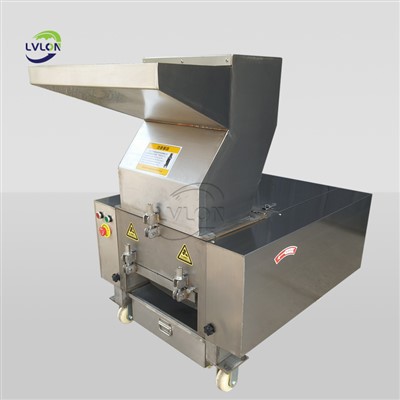
Chaff Cutter In conclusion, incubators play a multifaceted role in supporting startups in the transportation sector. From providing physical infrastructure and financial support to offering mentorship, regulatory guidance, and market access, incubators create an environment where startups can thrive. If you’re a startup in the transportation sector looking for comprehensive support, we are here to help. Our incubator services are designed to meet the unique needs of transportation startups, providing you with the resources and guidance necessary to turn your innovative ideas into successful businesses. Contact us to discuss how our solutions can benefit your startup and take your transportation venture to the next level.
References
- Chesbrough, H. W. (2003). Open innovation: The new imperative for creating and profiting from technology. Harvard Business School Press.
- Drucker, P. F. (1985). Innovation and entrepreneurship: Practice and principles. Harper & Row.
- Gans, J. S., & Stern, S. (2003). The product market and the market for “ideas”: Commercialization strategies for technology entrepreneurs. Research Policy, 32(2), 333 – 350.
Henan Lvlon Industrial Co., Ltd.
We’re well-known as one of the leading incubators suppliers in China, featured by quality products and good price. Please rest assured to buy high-grade incubators for sale here from our factory. Welcome to view our website for more information.
Address: Unit 5, 5th Floor, Building 11, No. 18 Dongfeng Road, Jinshui District, Zhengzhou City, Henan Province.
E-mail: lvlonxu@gmail.com
WebSite: https://www.lvlonmachinery.com/
