As an FPV drone LiPo battery supplier deeply entrenched in the industry, I’ve witnessed firsthand the profound impact that the age of a LiPo battery has on its performance. In this blog, I’ll delve into the various aspects of how battery age affects the battery’s performance and what this means for FPV drone enthusiasts and professionals alike. FPV Drone Lipo Battery

Understanding LiPo Batteries in FPV Drones
Before we explore the effects of age, it’s crucial to understand the significance of LiPo (Lithium – Polymer) batteries in FPV (First – Person View) drones. These batteries are favored in the FPV community due to their high energy density, which allows for more power to be stored in a relatively small and lightweight package. This characteristic is vital for FPV drones, as it enables longer flight times and better maneuverability without adding excessive weight to the aircraft.
LiPo batteries consist of multiple cells, usually connected in series to achieve the desired voltage. Each cell has a nominal voltage of around 3.7V, and common configurations for FPV drones include 2S (7.4V), 3S (11.1V), and 4S (14.8V). The capacity of the battery, measured in milliamp – hours (mAh), determines how much charge it can hold, and the discharge rate (C – rating) indicates how quickly the battery can release that charge.
Initial Performance of New LiPo Batteries
When a LiPo battery is brand new, it operates at its peak performance. The cells within the battery are in optimal condition, with a high level of internal resistance uniformity. This uniformity ensures that the battery can deliver a consistent and stable voltage output during the entire discharge cycle.
New batteries typically offer full potential in terms of capacity and discharge rate. For example, a 1300mAh, 65C rated battery will provide close to its advertised capacity and can discharge at a rate of up to 84.5A (1300mAh * 0.001 * 65C). This high – performance capability allows FPV drones to execute sharp maneuvers and achieve high speeds, as the motors receive the necessary power instantaneously.
Moreover, new LiPo batteries have a lower internal resistance. Internal resistance is a measure of how much the battery resists the flow of electric current. A lower internal resistance means less energy is lost as heat during the discharge process, resulting in more efficient power transfer. Consequently, the drone can fly for longer periods with the same amount of stored energy, enhancing the overall flight experience.
Aging Effects on Capacity
As LiPo batteries age, one of the most noticeable effects is the reduction in capacity. Capacity loss occurs due to several factors, including chemical reactions within the battery cells during charge and discharge cycles. Over time, the active materials in the electrodes degrade, reducing the number of available ions for the electrochemical reactions that generate electricity.
Repeated deep discharges and over – charging can accelerate this degradation process. Every time a LiPo battery is discharged below a certain voltage threshold, typically around 3V per cell, it can cause irreversible damage to the electrodes. Similarly, charging the battery above 4.2V per cell can lead to overheating and the formation of metal deposits within the battery, which can further reduce its capacity.
Let’s say an FPV pilot starts with a shiny new 1500mAh battery. After several months of regular use, they might notice that the battery can only hold 1300mAh or less. This reduction in capacity directly translates to shorter flight times, as the drone has less energy available to power its motors and electronics. As a result, the pilot will need to land the drone more frequently to recharge the battery, disrupting the flow of their FPV flights.
Impact on Discharge Rate
The discharge rate, or C – rating, of a LiPo battery also tends to decline as the battery ages. The ability of the battery to deliver high – current bursts becomes impaired. This is because the internal resistance of the battery increases with age.
As the internal resistance goes up, the battery struggles to release energy as quickly as it did when it was new. When the FPV drone demands a large amount of current during high – speed maneuvers or sudden acceleration, an aged battery with a reduced C – rating may not be able to supply the required power. This can lead to voltage drops, causing the motors to lose power and the drone to become less responsive.
For instance, an aged 50C rated battery might effectively perform like a 30C or even lower rated battery. During a high – speed flight, the drone’s performance will be severely hampered, with slower acceleration and a reduced top speed. It may also experience glitches or unstable flight characteristics, as the inconsistent power supply affects the operation of the flight controller and other onboard electronics.
Effects on Voltage Stability
In a new LiPo battery, the voltage output remains relatively stable throughout the discharge cycle. However, as the battery ages, the voltage stability deteriorates. Due to the uneven degradation of the battery cells, some cells may lose capacity and performance more quickly than others.
This imbalance in cell performance can lead to voltage differences between the cells. When the battery is discharging, the weaker cells will reach their minimum voltage earlier than the stronger ones. As a result, the overall battery voltage will drop more rapidly in the later stages of the discharge cycle, causing the drone to lose power unexpectedly.
For example, a brand – new 3S battery might maintain a relatively flat voltage curve between 12.6V (fully charged) and around 9V (near – empty). But an aged 3S battery could show a significant drop in voltage once it reaches about 70% of its capacity, making it difficult for the pilot to predict when the battery will run out of power during a flight.
Safety Concerns Associated with Aged Batteries
Aging LiPo batteries also pose increased safety risks. The physical structure of the battery can be compromised over time, especially if it has been subjected to rough handling, over – charging, or over – discharging. The battery casing may become swollen or bulged, which is a sign of internal damage and potentially dangerous gas buildup.
Swollen batteries are at a higher risk of thermal runaway, a condition where the battery overheats uncontrollably and can lead to fire or explosion. Moreover, the increased internal resistance of aged batteries generates more heat during charging and discharging, further increasing the safety hazards.
As a supplier, I always emphasize the importance of proper battery maintenance and regular inspection to ensure the safety of FPV drone users. It’s crucial to retire aged batteries that show signs of physical damage or extreme performance degradation to prevent any potential safety incidents.
Mitigating the Effects of Age on LiPo Batteries
Although the aging process of LiPo batteries is inevitable, there are several steps that FPV drone pilots can take to mitigate its effects and extend the lifespan of their batteries.
Firstly, proper charging and discharging practices are essential. Using a quality LiPo charger that is specifically designed for the battery’s voltage and capacity can ensure that the battery is charged safely and efficiently. It’s also important to avoid over – discharging the battery. Most modern FPV drones have low – voltage cut – off features, but it’s still a good practice to land the drone when the battery voltage reaches a reasonable level.
Secondly, storing the batteries correctly can significantly impact their lifespan. LiPo batteries should be stored at a moderate temperature, ideally between 20 – 25°C (68 – 77°F), and at a storage voltage of around 3.8V per cell. This helps to slow down the chemical reactions within the battery and preserve its capacity.
Finally, regular battery testing and maintenance can help detect early signs of aging and degradation. Tools such as battery analyzers can be used to measure the battery’s capacity, internal resistance, and cell balance. By identifying and addressing any issues promptly, pilots can ensure that their batteries continue to perform optimally for as long as possible.
Conclusion
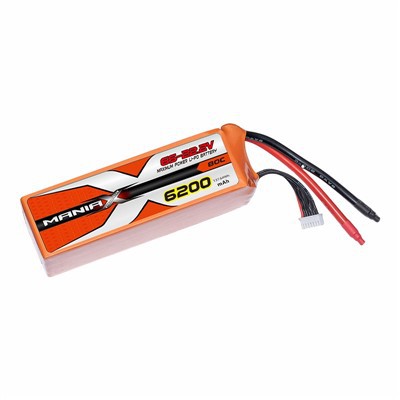
In conclusion, the age of an FPV drone LiPo battery has a substantial impact on its performance. As the battery ages, its capacity, discharge rate, and voltage stability all decline, leading to shorter flight times, reduced maneuverability, and potential safety risks. However, by following proper charging, discharging, and storage practices, FPV drone pilots can minimize these effects and get the most out of their LiPo batteries.
4.25V Drone Solid-state Lipo Battery 340-360Wh/kg If you’re an FPV drone enthusiast or a professional looking for high – quality LiPo batteries that offer long – lasting performance, we’re here to help. We take pride in supplying reliable and durable LiPo batteries that are designed to meet the demands of even the most extreme FPV flights. Reach out to us to learn more about our product range and start a procurement discussion. Let us work together to enhance your FPV experience with top – notch LiPo batteries.
References
- "Lithium – Polymer Batteries: Principles and Applications" by a group of battery experts.
- Industry reports on FPV drone battery performance and safety.
- Technical documents from major LiPo battery manufacturers.
ManiaX Power Technology Co., Ltd.
ManiaX Power Technology Co., Ltd. is one of the most reliable fpv drone lipo battery manufacturers and suppliers in China, also supports customized service. Please feel free to wholesale bulk durable fpv drone lipo battery made in China here from our factory.
Address: Room 1508, 15/F, Two Grand tower, 625 Nathan Road, Kowloon, HongKong. P.R. China
E-mail: info@maniax-power.com
WebSite: https://www.maniaxpower.com/
