When it comes to the durability of Lay Flat Hoses, numerous factors come into play, determining the lifespan of these versatile industrial tools. As a Lay Flat Hose supplier, I often receive inquiries from customers eager to understand how long their investment will last under different conditions. In this blog post, I will delve into the key factors influencing the longevity of Lay Flat Hoses and provide practical insights to help you maximize their lifespan. Lay Flat Hose

Material Quality
One of the most significant factors affecting the lifespan of a Lay Flat Hose is the quality of materials used in its construction. High – grade polymers, synthetic rubbers, and strong polyester yarns are commonly used in manufacturing. For example, a hose made with a high – quality synthetic rubber outer layer provides excellent resistance to abrasion, weathering, and chemicals. This type of material can withstand harsh environmental conditions, such as exposure to sunlight, extreme temperatures, and various industrial fluids without significant degradation.
On the other hand, hoses made from inferior materials are more likely to develop cracks, leaks, and weak spots over time. Inferior polymers may break down faster when exposed to ultraviolet (UV) rays, which are present in sunlight. This can lead to a loss of flexibility and strength, reducing the hose’s ability to withstand pressure and flow. Therefore, as a supplier, we always emphasize the importance of using top – notch materials to ensure the long – term performance of our Lay Flat Hoses.
Operating Conditions
The environment in which a Lay Flat Hose operates has a profound impact on its lifespan. In industrial settings, hoses are often exposed to a wide range of chemicals, high temperatures, and abrasive substances. For instance, in the mining industry, hoses are used to transport slurries containing sharp particles, which can quickly wear down the inner lining of the hose if not properly protected.
In agricultural applications, hoses may be subjected to constant bending, kinking, and dragging on rough terrain. Frequent bending and kinking can cause stress on the hose material, leading to internal damage and eventually failure. Additionally, exposure to sharp objects like rocks or branches can puncture the hose, compromising its integrity.
In outdoor settings, Lay Flat Hoses are vulnerable to weather conditions. Prolonged exposure to sunlight can cause the outer layer of the hose to become brittle, while extreme cold can make the hose less flexible and more prone to cracking. In contrast, hoses used in indoor, controlled environments generally have a longer lifespan as they are protected from these external factors.
Maintenance and Care
Proper maintenance and care are crucial for extending the life of a Lay Flat Hose. Regular inspections can help detect early signs of wear and tear, such as small cracks, bulges, or leaks. By identifying these issues early, you can take corrective action before they escalate into major problems.
Cleaning the hose after each use is also essential, especially if it has been used to transport chemicals or other contaminants. Residual chemicals can corrode the hose material over time, so flushing the hose with clean water can prevent this from happening. Additionally, storing the hose properly when not in use can significantly extend its lifespan. Hoses should be stored in a cool, dry place away from direct sunlight and sharp objects. Coiling the hose neatly and avoiding excessive tension during storage can prevent kinking and damage.
Pressure and Flow Rate
The pressure and flow rate at which a Lay Flat Hose operates are important factors in determining its lifespan. Operating a hose beyond its recommended pressure rating can cause the hose to expand and contract beyond its design limits, leading to stress on the material. Over time, this can result in the weakening of the hose structure and increase the risk of rupture.
Similarly, excessive flow rate can cause the internal lining of the hose to wear out more quickly. High – velocity fluids can create abrasion and turbulence, which can damage the inner surface of the hose. It is important to select a hose with a pressure and flow rate rating that matches the requirements of your specific application to ensure optimal performance and longevity.
Typical Lifespan Estimates
Under normal operating conditions and with proper maintenance, a high – quality Lay Flat Hose can last anywhere from 3 to 10 years. However, this is a rough estimate, and the actual lifespan can vary significantly depending on the factors mentioned above.
In less demanding applications, such as light – duty gardening or occasional water transfer, a hose may last up to 10 years or more. In contrast, hoses used in heavy – duty industrial applications, where they are exposed to harsh chemicals and high – pressure conditions, may have a lifespan of 3 to 5 years.
Maximizing the Lifespan of Lay Flat Hoses
As a supplier, we are committed to helping our customers get the most out of their Lay Flat Hoses. Here are some practical tips to maximize the lifespan of your hoses:
- Choose the Right Hose: Select a hose that is specifically designed for your application. Consider factors such as the type of fluid being transported, the operating pressure and flow rate, and the environmental conditions.
- Regular Inspections: Perform regular visual inspections of the hose to check for signs of wear, damage, or leaks. Replace any damaged hoses immediately to prevent further problems.
- Proper Cleaning and Storage: Clean the hose after each use and store it in a suitable environment. Avoid storing the hose in direct sunlight or in areas with extreme temperatures.
- Avoid Over – Pressurization: Do not exceed the recommended pressure rating of the hose. Use pressure – regulating devices if necessary to ensure safe and consistent operation.
- Handle with Care: When handling the hose, avoid bending, kinking, or dragging it on rough surfaces. Use proper fittings and connectors to prevent leaks and damage.
Conclusion
The lifespan of a Lay Flat Hose is influenced by a variety of factors, including material quality, operating conditions, maintenance, and pressure and flow rates. By understanding these factors and taking appropriate measures to care for your hoses, you can significantly extend their lifespan and get the most out of your investment.
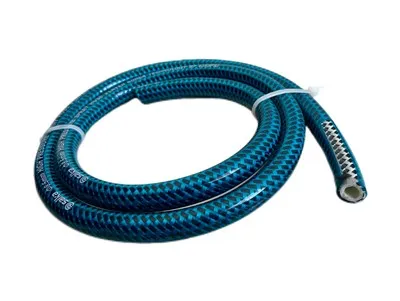
Flexible Plastic Pipe As a Lay Flat Hose supplier, we are dedicated to providing high – quality products and expert advice to our customers. If you have any questions about the durability of our hoses or need help selecting the right hose for your application, please feel free to contact us. We look forward to discussing your requirements and working with you to find the best solutions for your needs.
References
- Industrial Hose Association Standards.
- Research papers on polymer materials and their durability in various environments.
- Manufacturer data sheets for Lay Flat Hose products.
Weifang Xinzhiyuan Plastic Co., Ltd.
As one of the most experienced lay flat hose manufacturers and suppliers in China, we offer a wide range of products with superior quality. Please feel free to wholesale premium lay flat hose made in China here from our factory. We also accept customized orders.
Address: No. 700, Tongle Street, Economic Development Zone, Changle County, Weifang City, Shandong Province
E-mail: hua@xzypvchose.com
WebSite: https://www.pvchose-xzy.com/
