If you’ve ever run a flour mill—big or small, from a 5-ton-per-hour local operation to a regional facility processing 50 tons a day—you know that the mill isn’t just a collection of big, loud machines. It’s a system, and every part, from the tiny sieve mesh to the heavy-duty roller, has to work exactly right for the grain you’re running that day. Last month, I sat across from a mill owner in Iowa who’d been fighting constant clogs in his roller mills for three straight weeks. He’d swapped out parts like it was a game of whack-a-mole: one week, the sifter mesh kept tearing; the next, the break rolls wouldn’t crack soft wheat without turning it into flour. When I looked at what he’d installed, it hit me fast—he’d bought generic spare parts, not ones matched to the specific grain he was processing. That’s the mistake I see more mill owners making than any other, and it’s why I’m sitting here writing this: there’s no one-size-fits-all when it comes to flour mill spare parts. Let’s break this down by the most common grains we process in North America and beyond—wheat (both hard and soft), corn, rice, and rye—and what parts you need to pick for each, straight from someone who’s spent 12 years selling these parts to mill owners just like you. Flour Mill Spare Parts
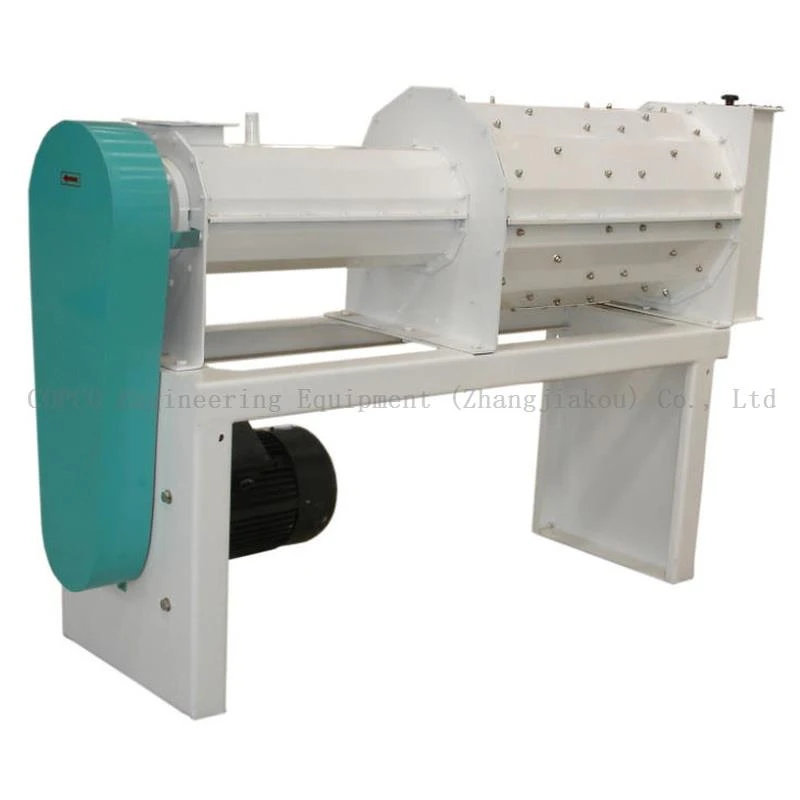
First, let’s talk hard wheat—like the kind grown in Kansas and the Great Plains, used for bread, pizza dough, and pasta. Hard wheat is dense, high in protein (10-14%, compared to soft wheat’s 8-10%), and has a tough outer bran layer. I’ve watched break roll operators panic when they use soft wheat parts on hard wheat—hard wheat’s bran is too fibrous, so it wraps around the roller grooves, causing slippage, uneven grinding, and excess heat that ruins the gluten. So what spare parts matter most here? Let’s start with the break rolls themselves. For hard wheat, you need corrugated break rolls, but not just any corrugations. We use a 25-degree tooth angle for primary break rolls here—steeper than the 20-degree we use for soft wheat. The steeper tooth digs into the hard bran without crushing the endosperm too early, which is key because the endosperm is what becomes flour, and premature crushing adds more fines that waste product. Also, the roller material: hard wheat generates more friction, so you can’t use the standard chilled iron rolls you’d use for soft wheat. We recommend high-chrome iron rolls for hard wheat—they’re harder, last 30-40% longer, and resist that abrasive friction from dense bran. Next, sifter mesh. For hard wheat’s middlings and shorts streams, you need a higher-tension polyester mesh, not cotton. Cotton stretches under the constant vibration of sifters, especially when grinding dense hard wheat, leading to inconsistent sizing. Polyester holds its tension, so you’re not getting over-sized bran in your flour or under-sized particles that get lost to waste. Last, the centrifugal sifters’ rubber balls. Hard wheat’s fine particles are more likely to get stuck in mesh openings, so we use denser, harder rubber balls (80 shore hardness) to vibrate the mesh more aggressively and prevent clogs.
Now, soft wheat—think the stuff from the Pacific Northwest or Ohio, used for cookies, cakes, and pastries. Soft wheat is lower in protein, softer, with a thinner bran layer. That means its processing needs are totally different, and using hard wheat parts here will lead to over-grinding, wasted flour, and higher energy costs. Let’s go back to break rolls. For soft wheat, primary break rolls use a shallower 20-degree tooth angle, and sometimes even smooth corrugations for early breaks. The goal here isn’t to crack tough bran—it’s to gently separate the soft endosperm from the thin bran without crushing the bran into tiny particles. Roller material too: soft wheat is less abrasive, so standard chilled iron rolls work just fine—no need for the high-chrome stuff, which would be overkill and cost you an extra 20% on part purchases. Sifter mesh is another key switch. Soft wheat’s endosperm is softer, so it tends to form more clumpy middlings. We recommend a medium-weight nylon mesh for these streams—it’s slightly more flexible than polyester, so it breaks up clumps better. Also, the rubber balls for soft wheat sifters: use 60 shore hardness, softer than hard wheat balls, because you don’t want to vibrate so hard that you tear the mesh or send too much bran into the endosperm stream. I learned this the hard way early on—had a mill in Minnesota who swapped soft wheat rubber balls for hard ones, and within a week, he had 12 torn mesh screens and a batch of flour that tasted like he’d mixed in extra bran. Never again.
Next up, corn—processing corn into cornmeal, grits, or masa for tortillas. Corn is a whole different beast here, with a hard, vitreous (glassy) endosperm and a thick bran layer that’s much harder to remove than wheat bran. If you use wheat parts on corn, you’ll end up with a lot of bran in your grits, and you’ll waste half the corn as fines before it even reaches the final sifting stage. Let’s start with degerminator parts—those are the machines that separate the germ from the endosperm, which is critical for cornmeal that’s not too oily. The most common wear part in a degerminator is the stator and rotor bars. For corn, you need tungsten carbide-tipped bars, not steel. Corn’s vitreous endosperm is super abrasive, and steel bars wear down in 200 to 300 hours of operation. Tungsten carbide bars last 1,200 to 1,500 hours, which means less downtime swapping parts and more consistent product. Then, the sifter mesh for corn streams. Corn processing has a lot of coarse grit streams, so we use heavier-duty polypropylene mesh here—it’s resistant to the acidic oils in corn, which nylon and polyester can break down over time if you run corn non-stop. Another often-overlooked part is the aspiration screen in the pre-cleaner. Corn has more foreign material—cobs, stalks, stones—than wheat, so the aspiration screen needs to be a 10-mesh, not the 14-mesh we use for wheat. The smaller mesh keeps more large debris out before it even hits the mill, saving your break rolls from damage. I had a corn mill in Indiana last year who was going through break rolls every two weeks because he was running unprocessed corn with cob fragments. Swapped out the pre-cleaner aspiration screen, and his roll life jumped to six weeks. That’s the kind of small part change that makes a huge difference.
Rice is another big one, especially for customers in the southern U.S. and Latin America, where we process long-grain and short-grain rice. Rice has a very hard bran layer called rice bran, and the endosperm is more brittle than wheat or corn, so it’s easy to break rice into tiny, useless fragments if parts are wrong. Let’s start with the rice whizzer parts—these are the machines that polish the rice to remove the outer bran layer. The key part here is the whitening chamber’s emery rollers. For brown rice or parboiled rice (which is more dense), we use coarser emery grit on the rollers to strip the bran faster. For white rice, which is more delicate, we use finer grit to avoid scratching the rice kernels or breaking them. Then, the milling rolls for the initial dehusking. Rice husks are dry and sharp, so you need ceramic-lined husking rolls, not steel. Steel rolls get dull in 400 hours running rice, while ceramic rolls stay sharp for 1,000 hours, and they don’t create as much dust—something rice mills hate because dust can be a fire hazard. Sifter mesh for rice is different too—rice streams have a lot of whole kernels mixed with broken ones, so we use a woven wire mesh with a square opening, not the rectangular mesh we use for wheat. Square openings keep whole kernels from getting caught, which means less waste and higher yield. A rice mill in Texas told me last quarter that switching to square mesh cut his broken rice yield by 8%—that’s an extra 800 pounds of saleable rice every hour, which adds up fast.
Rye, the grain used for rye bread and some specialty flours, is smaller and denser than wheat, with a very thin bran layer that’s easy to crush. Rye processing is less common than wheat or corn, but when people run it, they often mess up parts because it’s similar to soft wheat but not exactly the same. Primary break rolls for rye: use a shallow 18-degree tooth angle, even shallower than soft wheat. Rye’s small size means steep teeth will catch too much bran and crush it, so shallow teeth gently separate endosperm without over-processing. Sifter mesh for rye: a fine-mesh nylon, 150 to 200 mesh count, because rye’s endosperm is very fine, and you don’t want to lose it as waste. Another key part for rye: the bran duster’s brushes. Rye bran is much lighter than wheat bran, so soft nylon brushes work better than the stiff bristle brushes used for wheat. Soft brushes brush off excess endosperm from bran without breaking the bran into fine particles. I worked with a rye mill in Wisconsin last year who was losing 10% of his endosperm with his bran because he used wheat brushes. Swapped to nylon brushes, and that waste dropped to 2%. Simple, cheap part change, huge impact.
Wait, I should also mention the big no-no that I see all the time: generic parts. A lot of suppliers will sell you a “one-size-fits-all” roll or mesh, and they’ll tell you it works for every grain, but that’s not true. Let’s clarify why: every grain has different hardness, particle size, fiber content, and moisture level. If you run parts that don’t match, you’re looking at higher downtime, more waste, inconsistent product, and higher energy bills. I’m not saying you need to buy a brand-new set of parts every time you switch grains, but you should have a spare set tailored to each grain you process, and know which parts to adjust when you swap. For example, if your mill runs both hard and soft wheat, you can keep the same sifter frames, just swap the mesh and rubber balls. That’s way cheaper than buying all new equipment. Another thing to consider is moisture. If you’re processing wet grain (say, corn at 16% moisture, instead of the standard 14%), you might need to upgrade to even more abrasion-resistant parts, because wet grain is denser and wears parts faster. Always check the grain’s moisture content before selecting parts—most mill owners forget that variable, and it’s a big one.
Let me wrap this up with a quick, real example to tie it all together. Last month, a mill owner from Illinois called me, panicking. He runs a mill that processes both hard winter wheat and corn, and he’d just had a hard wheat batch where his break rolls were slipping, his sifter mesh was tearing, and he ended up with 15% waste. When he pulled out the parts he’d installed, I saw he’d used the same high-chrome rolls he uses for corn on hard wheat—wait, no, actually, he’d used soft wheat rolls for hard wheat, and generic mesh for both. That’s the triple mistake. We swapped out the soft wheat rolls for 25-degree hard wheat corrugated rolls, replaced the generic mesh with polyester for the hard wheat streams, and swapped the rubber balls from 60 shore to 80 shore. The next batch? Waste dropped to 4%, he didn’t have to shut down for emergency roll changes, and his flour yield went up 11%. That’s not magic—that’s matching parts to grain.
If you’re sitting here wondering if you’re using the right spare parts for your specific grains, don’t guess. Don’t rely on generic catalog lines that say “works for all grains.” The best way to avoid those costly mistakes is to partner with a supplier who knows grains, not just parts. I’ve spent 12 years working with mill owners, troubleshooting part issues, testing parts on different grains, and building a stock of parts tailored to every common grain. I don’t sell you a part and walk away—I help you figure out exactly what you need, whether you run hard wheat, corn, rice, rye, or a mix.
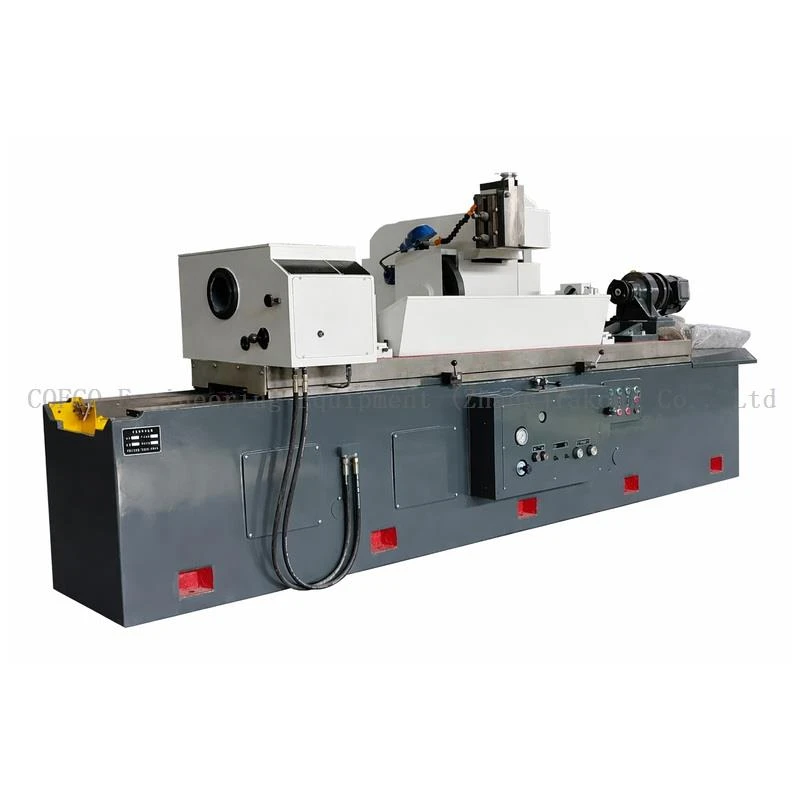
If you’re struggling with clogs, waste, part wear, or inconsistent product, don’t keep guessing. Reach out, tell me what grains you process, what’s been going wrong, and we’ll find the right parts for your mill, tailored to your needs. No generic advice, no pushy sales pitches—just practical, science-backed solutions from someone who’s spent their career in this industry.
Flour Automatic Packing Machine References
- Miller, R. A. (2021). Grain Processing Technology and Equipment. American Association of Grain Mills, 112-145.
- Patel, S., & Lee, H. (2019). Wear Characteristics of Roller Mill Parts for Different Cereal Grains. Journal of Food Engineering, 254, 45-52.
- Wisconsin Grain Millers Association. (2022). Best Practices for Selecting Flour Mill Spare Parts. Practical Guide for Small to Medium Mills, 78-92.
- Food and Agriculture Organization (FAO). (2020). Rice Milling: Equipment and Process Optimization. FAO Agricultural Services Bulletin, 187, 61-75.
COFCO Engineering Equipment (Zhangjiakou) Co., Ltd.
As one of the most professional flour mill spare parts manufacturers and suppliers in China, we also support customized service. Please feel free to wholesale advanced flour mill spare parts for sale here from our factory. Quality products and reasonable price are available.
Address: No.4 ZhongLiang Street, high-tech industrial development zone, Zhangjiakou, Hebei, PRC
E-mail: mayihui@cofco.com
WebSite: https://www.ceeflourmill.com/
