If you’ve ever hauled a truckload of power tools across a worksite, navigated a crowded hardware store aisle mid-renovation, or stared down a stack of wrenches and drill bits scattered across a dusty garage floor, you know how much time and energy gets wasted on hauling gear instead of using it. That’s where a rolling tool case comes in—and if you’re in the trades, manufacturing, or even a serious DIYer who’s outgrown a basic tool bag, it’s not just a accessory—it’s a workhorse that keeps you moving. As a rolling tool case supplier who’s spent 12 years building these for technicians, electricians, construction crews, and industrial teams, I’ve learned there’s a lot more to these cases than the wheels you spot on the first glance. Let’s break down what they actually are, why they’re different from other tool storage, and what makes a good one worth investing in. Rolling Tool Case
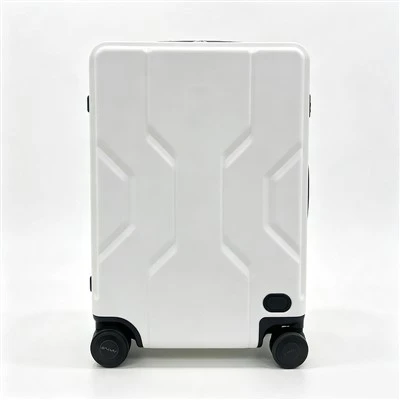
First, let’s get the basics straight: a rolling tool case is a mobile, hard-shell or reinforced soft-shell storage unit designed specifically to transport hand and power tools, built-in tool storage, and job-site accessories, with integrated wheels and a telescopic pull handle for easy maneuvering. But that simple definition only scratches the surface. Unlike a tool bag, which relies on your shoulder strength, or a static tool chest that stays bolted to a workbench, rolling tool cases are engineered to turn a handful of loose wrenches, drill drivers, and saw blades into one portable, stackable, organized unit. Early versions of these cases popped up in the 1980s, when industrial teams started ditching clunky wooden toolboxes that required two people to haul across a warehouse or worksite. The first models were simple: a plastic shell, two cheap wheels, and a pull handle that stuck out straight. But as demands changed—electricians needing to haul 50 lbs of tools up a set of construction stairs, plumbers needing water-resistant cases for basement jobs, field technicians needing cases small enough to fit in a service van—manufacturers started refining every part of the design.
What sets a rolling tool case apart from other rolling storage, like a rolling duffel or a small luggage bag? It’s all about the internal layout and durability. A standard rolling duffel is built for clothes, with loose pockets that can’t hold a 10lb hammer without it shifting. A tool chest, even a small portable one, is made to sit stationary, so it doesn’t need wheels that can handle gravel or concrete. Rolling tool cases, by contrast, prioritize three non-negotiables: tool organization (so you don’t dig through a pile of screwdrivers to find your 10mm wrench mid-job), impact resistance (so a case dropped from a van bed doesn’t crack and spill your tools), and maneuverability (so you can haul it across uneven ground without it tipping). I’ve seen a lot of suppliers cut corners on these parts, so let’s walk through the key features that define a high-quality rolling tool case.
First, the shell. Most rolling tool cases fall into two main categories: hard-shell and soft-shell, and each serves a different purpose. Hard-shell cases are usually made from high-density polyethylene (HDPE) or reinforced aluminum, designed to withstand drops, extreme temperatures, and rough handling. They’re ideal for construction, industrial, or outdoor jobs where a case might be set down on a concrete floor, slid across a loading dock, or exposed to rain or dust. I work with a team of electricians who use hard-shell rolling cases for their line tools; last winter, one of their cases slipped off a pickup truck bed at 25mph and slid 20 feet across a snowy parking lot, and the only damage was a tiny scuff on the corner—their pliers, wire strippers, and multimeters were still in perfect shape. Soft-shell rolling cases, on the other hand, are made from heavy-duty 1680 denier nylon or polyester, with reinforced seams and rigid internal frames. They’re lighter than hard-shell cases, which makes them perfect for field technicians who have to climb stairs, fit cases into small service vans, or carry them up ladders on tight job sites. I also recommend soft-shell cases for HVAC technicians, since they have external pockets for duct tape, thermometers, and small parts that need quick access.
Next, the wheels and pull handle—this is what makes a rolling tool case “rolling,” and it’s the part most people skip over when buying one. Cheap rolling tool cases often use thin, plastic wheels that crack after a few months of rolling over gravel or curbs. The best ones have rubber wheels with metal bearings, usually 5 to 8 inches in diameter—bigger wheels roll over uneven ground, curbs, and small debris without jostling your tools or tipping the case. The pull handle should be telescopic, lock into multiple positions (so you can adjust it for tall and short users), and made from aluminum, not flimsy steel that bends under the weight of heavy tools. A few premium models even have two rear wheels and a front caster wheel, turning the case into a 360-degree swivel unit that’s easy to maneuver in tight spaces, like a cramped service van or a busy office building hallway.
Then there’s the internal organization, which is where a rolling tool case earns its keep. Generic rolling bags have a few loose pockets, but most quality rolling tool cases come with customizable dividers, foam inserts, or pre-molded compartments designed for specific tools. A good set of dividers lets you tailor the interior to fit your exact tools—you can have a dedicated spot for your hammer, a slot for each size of wrench, and a pouch for drill bits so nothing gets lost. Some cases even have a small secondary compartment in the lid for quick-access items, like a tape measure or a level, so you don’t have to open the whole case just to grab the one thing you need. I’ve heard countless stories from technicians who used to spend 10 minutes every job digging through a messy tool bag, only to switch to a rolling case and cut that time down to 30 seconds— that’s 30 minutes extra of work every day, which adds up fast.
Now, you might be wondering: is a rolling tool case worth the investment, or is a regular tool bag good enough? The short answer is: if you’re only hauling a few light tools around a small garage, a basic tool bag works. But if you’re working in the field, on construction sites, or hauling 40+ lbs of tools on a regular basis, a rolling tool case will save you time, protect your tools from damage, and reduce strain on your back and shoulders. I see a lot of technicians who try to skip the rolling case because they think it’s too bulky, but once they start using one, they never go back. For example, when I worked with a team of plumbers last year, they were using traditional metal toolboxes that weighed 60 lbs empty, and they had to carry them up basements and crawl spaces. After switching to our mid-sized rolling tool cases, which weigh 15 lbs empty and have wheels that roll over concrete and gravel, they cut their job setup time by 25% and reported less shoulder and back pain at the end of the week.
Of course, not all rolling tool cases are made equal, and there are a few common mistakes people make when shopping for one. First, don’t just buy the cheapest case you can find. Those $50 rolling cases at the big box stores often have plastic wheels that crack within a month, thin shells that dent if you set something heavy on top, and flimsy pull handles that break. I’ve had customers come to me after buying a cheap case that split open on a job site, spilling their tools into a puddle and costing them hundreds of dollars in damaged gear. Second, don’t buy a case that’s too big or too small for your tools. A case that’s too big will have extra space that lets tools shift around, leading to damage; a case that’s too small won’t fit all the tools you need, so you’ll still have to carry extra gear in a separate bag. Third, consider the environment you’ll be working in. If you’re working in dusty construction sites, look for a case with a sealed, water-resistant shell to keep dust and moisture out. If you’re working in cold or extreme heat, make sure the shell is made from a material that won’t become brittle or warp—HDPE is great for that, since it stays flexible in temperatures from -40°F to 150°F.
As a rolling tool case supplier, what I tell every customer is that the best rolling tool case isn’t the one with the most features or the highest price tag—it’s the one that fits your specific job needs. For a field technician who travels between office jobs, a compact soft-shell rolling case that fits in a van might be perfect. For a construction foreman who needs to haul power tools and large equipment, a heavy-duty hard-shell rolling case with reinforced corners and large wheels is the way to go. We’ve built rolling tool cases for every trade over the years, and we’re constantly refining our designs based on feedback from the teams that use them every day—last year, we added a built-in padlock slot to our cases, so technicians can secure their tools at job sites when they have to leave them unattended, and that small feature has become one of our most popular additions.
Let’s circle back to the original question: what is a rolling tool case? It’s more than just a tool box with wheels. It’s a purpose-built piece of equipment designed to solve the problems that come with hauling tools—organizing them, protecting them, and making them easy to move. For the tradespeople, technicians, DIYers, and industrial teams that rely on tools to make a living, a good rolling tool case isn’t a luxury—it’s essential. It turns a pile of loose, heavy tools into a portable, organized system that lets you get more done with less hassle.
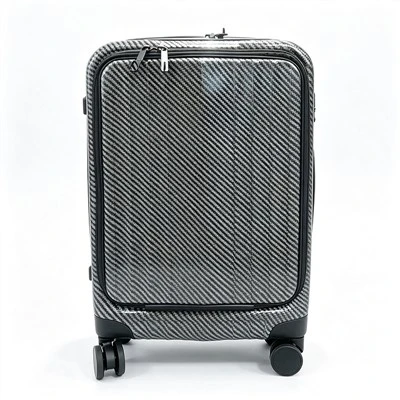
If you’re tired of wasting time digging for tools, dealing with damaged gear, or straining to haul your tools across job sites, let’s talk. As a rolling tool case supplier, I can help you find the right case for your specific needs, whether you’re a solo technician, a small construction crew, or a large industrial team. We build our rolling tool cases to last, using high-quality materials and designs tested in real-world job conditions, so you can focus on the work that matters, not on your tools.
Business Luggage References:
- National Association of Home Builders. (2021). "Worksite Efficiency in Residential Construction: Tools and Storage Solutions."
- Occupational Safety and Health Administration (OSHA). (2019). "Ergonomic Guidelines for Tool Handling and Transport in Trades."
- Industrial Tool and Storage Association. (2022). "Global Market Analysis of Portable Tool Storage Solutions."
- ASTM International. (2020). "Standard Specification for Hard-Shell Tool Carrying Cases for Industrial Use."
Guangdong Meijiamei New Material Technology Co., Ltd.
As one of the most professional rolling tool case manufacturers and suppliers in China, we also support customized service. Welcome to wholesale bulk high quality rolling tool case made in China here from our factory. If you have any enquiry about quotation and free sample, please feel free to email us.
Address: Building 6, No.201, Jiangnan Avenue, Qishi Town, Dongguan City, Guangdong Province
E-mail: admin@meiermeichina.com
WebSite: https://www.cnmeijiamei.com/
