As a supplier of EN Standard Hydraulic Hose, I’ve witnessed firsthand the challenges that users face when it comes to preventing kinking in these hoses during use. Kinking can not only lead to a decrease in hydraulic system efficiency but also cause premature wear and tear, and in severe cases, system failure. In this blog, I’ll share some practical tips on how to prevent kinking in EN Standard Hydraulic Hoses, drawing on my experience in the industry. EN Standard Hydraulic Hose

Understanding the Causes of Kinking
Before we delve into prevention methods, it’s important to understand what causes kinking in hydraulic hoses. There are several factors that can contribute to this issue:
- Improper Installation: If the hose is not installed correctly, it may be subjected to excessive bending or twisting, which can lead to kinking. For example, if the hose is installed with sharp bends or if it is not properly supported, it is more likely to kink.
- Excessive Pressure: High pressure in the hydraulic system can cause the hose to expand and become more susceptible to kinking. This is especially true if the hose is not designed to handle the pressure.
- Environmental Factors: Extreme temperatures, abrasion, and exposure to chemicals can all weaken the hose and make it more prone to kinking. For example, in cold weather, the hose may become stiff and more likely to kink.
- Incorrect Routing: If the hose is routed in a way that causes it to rub against other components or sharp edges, it can lead to kinking. This can also occur if the hose is not given enough slack to move freely.
Prevention Methods
Proper Installation
- Follow Manufacturer’s Guidelines: Always refer to the manufacturer’s installation instructions when installing EN Standard Hydraulic Hoses. These guidelines will provide specific information on how to install the hose correctly, including the minimum bend radius, recommended installation tools, and proper torque values for fittings.
- Use the Right Fittings: Make sure to use the correct fittings for your hydraulic system. The fittings should be compatible with the hose and the hydraulic components, and they should be installed correctly to ensure a secure connection. Incorrect fittings can cause leaks and increase the risk of kinking.
- Provide Adequate Support: Use hose clamps, brackets, or other support devices to keep the hose in place and prevent it from moving or rubbing against other components. This will help to reduce the stress on the hose and minimize the risk of kinking. The support should be installed at regular intervals along the length of the hose.
Pressure Management
- Choose the Right Hose: Select a hydraulic hose that is rated for the pressure and flow requirements of your system. Using a hose that is not designed to handle the pressure can lead to kinking and other problems. Make sure to consult with a hydraulic specialist if you are unsure which hose to choose.
- Monitor System Pressure: Keep an eye on the pressure in your hydraulic system and make sure it does not exceed the rated pressure of the hose. If the pressure is too high, it can cause the hose to expand and become more susceptible to kinking. Consider installing a pressure relief valve to protect the hose from overpressure.
- Avoid Sudden Pressure Changes: Sudden pressure changes can cause the hose to expand and contract rapidly, which can lead to kinking. Try to avoid sudden starts and stops in your hydraulic system, and use a gradual increase or decrease in pressure when operating the equipment.
Environmental Protection
- Protect from Abrasion: Use protective sleeves or guards to prevent the hose from rubbing against sharp edges or other components. This will help to reduce the risk of abrasion and kinking. The protective sleeves should be made of a material that is resistant to abrasion and chemicals.
- Keep the Hose Clean: Dirt, debris, and other contaminants can damage the hose and make it more prone to kinking. Regularly clean the hose and the surrounding area to remove any dirt or debris. You can use a mild detergent and water to clean the hose, but make sure to dry it thoroughly before use.
- Store the Hose Properly: When not in use, store the hose in a cool, dry place away from direct sunlight and extreme temperatures. This will help to prevent the hose from becoming brittle and more likely to kink. Make sure to coil the hose properly and store it in a way that does not put any stress on the hose.
Correct Routing
- Plan the Route: Before installing the hose, plan the route carefully to avoid sharp bends, kinks, and rubbing against other components. Make sure to leave enough slack in the hose to allow for movement and expansion. The route should be as straight as possible, and the hose should not be routed through areas where it may be subjected to excessive heat or vibration.
- Use Hose Guides: Hose guides can be used to help keep the hose in place and prevent it from kinking. These guides can be installed along the route of the hose to provide support and keep the hose from rubbing against other components.
- Avoid Tight Bends: The minimum bend radius of the hose should be respected to prevent kinking. Tight bends can cause the hose to collapse and restrict the flow of hydraulic fluid. Make sure to use the correct bend radius for the hose and avoid making sharp bends.
Regular Inspection and Maintenance
- Inspect the Hose Regularly: Regularly inspect the hose for signs of wear, damage, or kinking. Look for cracks, abrasions, bulges, or other signs of damage. If you notice any problems, replace the hose immediately to prevent further damage to the hydraulic system.
- Check the Fittings: Make sure the fittings are tight and secure, and check for any signs of leaks. Loose fittings can cause leaks and increase the risk of kinking. If you notice any leaks, tighten the fittings or replace them if necessary.
- Perform Maintenance as Needed: Follow the manufacturer’s recommended maintenance schedule for your hydraulic system. This may include changing the hydraulic fluid, replacing filters, and inspecting the hoses and fittings. Regular maintenance will help to keep the hydraulic system in good condition and prevent kinking and other problems.
Conclusion
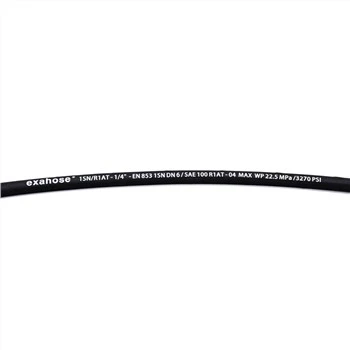
Preventing kinking in EN Standard Hydraulic Hoses is essential for the efficient and reliable operation of hydraulic systems. By understanding the causes of kinking and implementing the prevention methods outlined in this blog, you can minimize the risk of kinking and extend the life of your hydraulic hoses. Remember to follow the manufacturer’s guidelines, use the right fittings and support devices, manage the pressure in your system, protect the hose from environmental factors, and route the hose correctly. Regular inspection and maintenance are also key to preventing kinking and ensuring the long-term performance of your hydraulic system.
PVC Hose If you’re in the market for high-quality EN Standard Hydraulic Hoses or need more information on preventing kinking, I’d be happy to assist you. Contact us to discuss your specific requirements and explore how our products can meet your needs.
References
- "Hydraulic Hose Handbook" by Eaton Corporation
- "EN ISO 1436-1:2012 – Rubber and plastics hoses and hose assemblies – Hydraulic hoses and hose assemblies – Specification for wire – braid – reinforced types"
- "Best Practices for Hydraulic Hose Installation and Maintenance" by Parker Hannifin Corporation
Hebei Qianli Rubber Products Co., Ltd.
As one of the most professional en standard hydraulic hose manufacturers and suppliers in China, we have world-leading production equipment and strong manufacturing capabilities. Please feel free to buy bulk durable en standard hydraulic hose made in China here from our factory.
Address: West industrial Zone, Jing County, Hengshui City, Hebei Province, China.
E-mail: manager@hebeiqianli.com
WebSite: https://www.qianlirubber.com/
