Does Antibacterial Masterbatch have any impact on the electrical properties of the material? Antibacterial Masterbatch
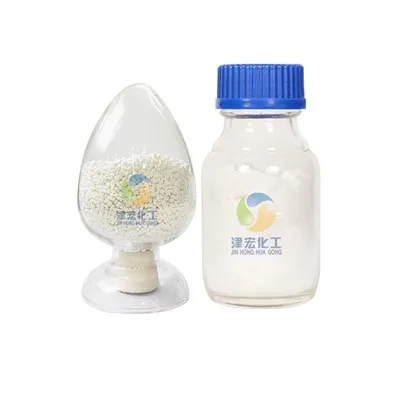
As a supplier of antibacterial masterbatch, I have witnessed the increasing demand for antibacterial products in various industries, from consumer electronics to medical devices. With this trend, a common question that often arises among our customers and industry partners is whether the addition of antibacterial masterbatch has any impact on the electrical properties of the base material. In this blog post, I aim to explore this issue in depth, drawing on scientific research and our own practical experience.
Understanding Antibacterial Masterbatch
Antibacterial masterbatch is a concentrated mixture of antibacterial agents and polymer carriers. It is designed to be added to plastic, rubber, or other polymer materials during the manufacturing process to impart antibacterial properties to the final product. The antibacterial agents used in masterbatches can vary widely, including inorganic substances like silver ions, zinc oxide, and organic compounds such as triclosan and quaternary ammonium salts.
The primary function of antibacterial masterbatch is to inhibit the growth of bacteria, fungi, and other microorganisms on the surface of the material, which is particularly important in applications where hygiene is critical, such as food packaging, healthcare products, and public transportation components.
Electrical Properties of Polymers
Before discussing the impact of antibacterial masterbatch, it is essential to understand the basic electrical properties of polymers. Polymers are generally considered insulators, meaning they have high electrical resistance and low conductivity. However, their electrical properties can be influenced by various factors, including the type of polymer, molecular structure, additives, and environmental conditions.
The key electrical properties of polymers include:
- Dielectric constant: It is a measure of the ability of a material to store electrical energy in an electric field. A higher dielectric constant indicates that the material can store more energy.
- Volume resistivity: It represents the resistance of a material to the flow of electric current through its volume. High – volume resistivity means the material is a good insulator.
- Surface resistivity: Similar to volume resistivity, but it measures the resistance of the material’s surface to the flow of electric current.
- Dielectric strength: It is the maximum electric field strength that a material can withstand without breaking down and becoming conductive.
Impact of Antibacterial Masterbatch on Electrical Properties
Inorganic Antibacterial Agents
- Silver – based antibacterial agents
Silver is one of the most commonly used inorganic antibacterial agents in masterbatches due to its broad – spectrum antibacterial activity and low toxicity. When silver – based antibacterial masterbatch is added to a polymer, it can have a minor impact on the electrical properties.- Conductivity: Silver is a good conductor of electricity. However, in antibacterial masterbatch, the silver is usually present in a very low concentration (typically less than 1% by weight). At such low levels, the silver particles are well – dispersed in the polymer matrix and do not form a continuous conductive path. As a result, the overall conductivity of the polymer material remains relatively unchanged.
- Dielectric properties: Some studies have shown that the addition of silver – based antibacterial agents can slightly increase the dielectric constant of the polymer. This is because the silver particles can interact with the electric field and contribute to the polarization of the material. However, the increase is usually within an acceptable range for most applications.
- Zinc oxide antibacterial agents
Zinc oxide is another popular inorganic antibacterial agent. It is a semiconductor with relatively low conductivity.- Conductivity: Similar to silver, when added in small amounts as an antibacterial agent in masterbatch, zinc oxide does not significantly affect the conductivity of the polymer. The zinc oxide particles are dispersed in the polymer matrix, and their individual conductivity does not translate into a significant change in the overall electrical conductivity of the material.
- Dielectric properties: Zinc oxide can have a more complex effect on the dielectric properties. In some cases, it can interact with the polymer chains and change the polarization behavior, which may lead to a slight change in the dielectric constant and loss factor. However, the magnitude of this change depends on factors such as the particle size, shape, and dispersion of the zinc oxide in the polymer.
Organic Antibacterial Agents
- Triclosan
Triclosan is an organic antibacterial agent that has been widely used in the past. It is a non – conductive organic compound.- Conductivity: Since triclosan is an insulator, its addition to the polymer in the form of antibacterial masterbatch does not increase the conductivity of the material. In fact, it has little to no effect on the electrical conductivity as it is well – integrated into the polymer matrix and does not introduce any conductive elements.
- Dielectric properties: Triclosan may have a very minor impact on the dielectric properties of the polymer. It can potentially interact with the polymer molecules through weak intermolecular forces, which may cause a slight change in the polarization behavior. However, this change is usually negligible for most practical applications.
- Quaternary ammonium salts
Quaternary ammonium salts are also commonly used organic antibacterial agents. They are ionic compounds, but their conductivity in the polymer matrix is limited due to their low concentration and dispersion.- Conductivity: Similar to other organic antibacterial agents, the addition of quaternary ammonium salts in antibacterial masterbatch does not significantly increase the conductivity of the polymer. The ions are dispersed in the polymer and do not form a continuous conductive path.
- Dielectric properties: The presence of quaternary ammonium salts can cause a slight change in the dielectric properties of the polymer. The ionic nature of these salts can contribute to the polarization of the material, but again, the effect is usually small.
Practical Considerations and Case Studies
In our experience as an antibacterial masterbatch supplier, we have worked with many customers in different industries, and the impact on electrical properties has generally been minimal. For example, in the production of plastic housings for electronic devices, the addition of our silver – based antibacterial masterbatch at a recommended dosage did not cause any significant changes in the electrical insulation properties or electromagnetic interference shielding performance of the plastic.
In the medical device industry, where both antibacterial properties and electrical insulation are crucial, we have provided zinc oxide – based antibacterial masterbatch for the production of catheter materials. The electrical properties of the catheter materials, such as volume resistivity, remained within the acceptable range after the addition of the masterbatch, ensuring the safe and reliable operation of the medical devices.
Conclusion
In conclusion, the addition of antibacterial masterbatch generally has a minimal impact on the electrical properties of the base material. The type and concentration of the antibacterial agent, as well as the dispersion in the polymer matrix, are the key factors that determine the extent of the impact. In most cases, with proper formulation and dosage control, the antibacterial masterbatch can be added to the material without compromising its electrical performance.
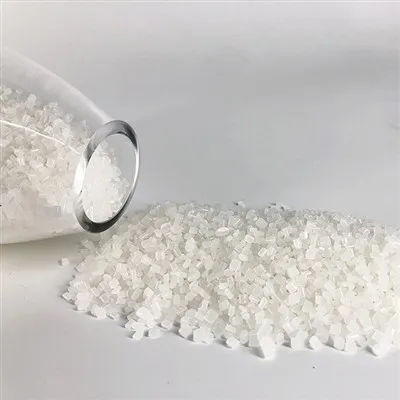
If you are in an industry that requires both antibacterial and specific electrical properties in your products, we, as a professional antibacterial masterbatch supplier, are here to offer you the best solutions. Our team of experts can work with you to select the most suitable antibacterial masterbatch based on your material and application requirements. Whether you are in the electronics, medical, or consumer goods industry, we can provide customized products to meet your needs. If you are interested in learning more about our antibacterial masterbatch or would like to discuss a potential procurement, please feel free to contact us. We look forward to the opportunity to work with you and contribute to the success of your products.
Polyhexamethylene Guanidine References
- "Antibacterial Polymers in the Biomedical Field: Synthetic Strategies and Applications" by A. M. C. Pires, M. T. Cruz, and R. L. Reis.
- "Electrical Properties of Polymers" by J. Mijovic, in the Handbook of Polymer Science and Technology.
- "Effect of Inorganic Antibacterial Agents on the Electrical and Mechanical Properties of Polypropylene" by X. Zhang, et al.
Hebei Jinhong Chemical Co., Ltd.
Hebei Jinhong Chemical Co., Ltd. is one of the most professional antibacterial masterbatch manufacturers and suppliers in China. With abundant experience, we warmly welcome you to wholesale high quality antibacterial masterbatch made in China here and get pricelist from our factory. For price consultation, contact us.
Address: North of Fazhan Road, East of Qingyuan Road, Nanbao Development Zone, Tangshan City, Hebei Province
E-mail: kevin@hbjhchemical.com
WebSite: https://www.hbjhchemical.com/
