Yo, I’m a supplier of titanium pipe fittings, and I get this question a lot: Are there any limitations to using titanium pipe fittings? Well, let’s dive right into it. Titanium Pipe Fittings

Corrosion Resistance: A Double – Edged Sword?
Titanium is like the superhero of metals when it comes to corrosion resistance. It forms a thin, stable oxide layer on its surface when exposed to oxygen, which protects it from all sorts of corrosive environments. Whether it’s in seawater, chemical plants, or even in some highly acidic or alkaline settings, titanium pipe fittings can handle themselves pretty well.
But here’s the catch. In some extremely specific situations, that oxide layer can break down. For instance, in environments with hydrofluoric acid, hot concentrated sulfuric acid, or hydrochloric acid, titanium might not be so resistant. Hydrofluoric acid can react with the titanium oxide layer and eventually corrode the metal beneath. So, if you’re thinking of using titanium pipe fittings in a place where these acids are present, you gotta be really cautious.
It’s also important to note that while titanium is resistant to general corrosion, it can be susceptible to crevice corrosion. Crevice corrosion happens when there’s a small gap or crevice where the electrolyte (like water with some dissolved salts) can get trapped. The conditions in the crevice can be different from the outside, and oxygen levels can drop. This can lead to the breakdown of the protective oxide layer in the crevice, causing corrosion. So, when installing titanium pipe fittings, you need to make sure there are no tight crevices that could potentially cause problems down the road.
Cost Considerations
Let’s talk money. Titanium is not a cheap metal. The production process of extracting titanium from its ores is complex and energy – intensive. You have to go through multiple steps like the Kroll process to get pure titanium, which involves using a lot of chemicals and high – temperature operations.
This high production cost is then passed on to the price of titanium pipe fittings. Compared to other commonly used metals like steel or copper, titanium pipe fittings can be significantly more expensive. This can be a major limitation, especially for projects with tight budgets. If you’re working on a small – scale plumbing project for a domestic property, the cost of titanium pipe fittings might just be way out of reach.
Even for larger industrial projects, cost can be a deciding factor. Companies might have to weigh the benefits of titanium’s corrosion resistance and other properties against the high upfront cost. Sometimes, they might opt for a more cost – effective alternative, even if it means sacrificing some performance.
Processing Challenges
Working with titanium is no walk in the park. Titanium is a tough and hard metal, and machining it requires specialized tools and techniques. When you’re cutting, drilling, or shaping titanium pipe fittings, you need tools with high – speed steel or carbide tips. Regular tools just won’t cut it (pun intended).
The high reactivity of titanium also poses problems during processing. At high temperatures, titanium can react with oxygen, nitrogen, and hydrogen in the air. This can lead to the formation of brittle compounds on the surface of the metal, which can affect the mechanical properties of the pipe fittings. So, when welding or heat – treating titanium, you need to do it in an inert gas environment, usually argon, to prevent these reactions from happening.
This means that you need a more experienced and skilled workforce to handle the processing of titanium pipe fittings. And let’s not forget that all these specialized tools and techniques add to the overall cost of production. If a manufacturer doesn’t have the right expertise or equipment, they might end up producing sub – standard pipe fittings, which is obviously a big no – no.
Mechanical Properties in Extreme Conditions
Titanium has great mechanical properties under normal conditions. It has a high strength – to – weight ratio, which means it’s strong but relatively light. This is why it’s used in aerospace and other high – performance applications.
However, in extremely cold or hot temperatures, its mechanical properties can change. At very low temperatures, titanium can become brittle. This is a concern in applications where the pipe fittings might be exposed to cold environments, like in cryogenic systems. If the pipe fittings become too brittle, they can crack or break under stress, which can lead to leaks and other safety hazards.
On the other end of the spectrum, at high temperatures, titanium can lose some of its strength. In high – temperature applications, like in some power plants or industrial furnaces, the reduced strength of titanium pipe fittings might not be sufficient to withstand the pressure and mechanical stresses. So, you need to carefully consider the temperature range of the application before using titanium pipe fittings.
Compatibility with Other Materials
When you’re using pipe fittings in a system, they often have to be connected to other components made of different materials. And here’s where another limitation of titanium pipe fittings comes in. Titanium has a different coefficient of thermal expansion compared to many other metals.
What does this mean? Well, when the temperature of the system changes, different materials expand or contract at different rates. If you connect a titanium pipe fitting to a component made of a material with a very different coefficient of thermal expansion, it can create stress at the joint. Over time, this stress can lead to leaks or even the failure of the joint.
For example, if you connect a titanium pipe fitting to a steel pipe, and the temperature of the system fluctuates, the steel and titanium will expand and contract at different rates. This can cause the joint to loosen or crack, which is not good for the overall integrity of the system.
So, Should You Use Titanium Pipe Fittings?
Despite these limitations, titanium pipe fittings still have a lot going for them. Their corrosion resistance, high strength – to – weight ratio, and biocompatibility (which makes them suitable for medical applications) are huge advantages in many situations.
If you’re working on a project in a highly corrosive environment, like a desalination plant or an offshore oil rig, the benefits of using titanium pipe fittings might outweigh the limitations. You just need to be aware of these limitations and take the necessary precautions.
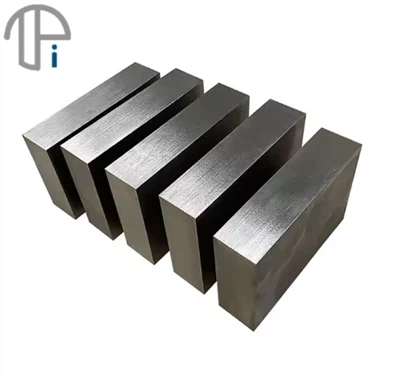
Titanium Bar If you’re interested in learning more about titanium pipe fittings or are considering using them in your project, don’t hesitate to reach out. We can have a chat about your specific requirements and see if titanium pipe fittings are the right choice for you. Whether it’s dealing with the cost, processing challenges, or any other concerns, we’re here to help you make an informed decision.
References
- ASM Handbook Volume 2: Properties and Selection: Nonferrous Alloys and Special – Purpose Materials
- Corrosion Basics by Pierre R. Roberge
- Titanium: A Technical Guide, Second Edition by Jinkyu Yang
Baoji Top Titanium Industry Co., Ltd.
As one of the most professional titanium pipe fittings manufacturers and suppliers in China, we’re featured by quality products and good price. Please rest assured to buy bulk titanium pipe fittings in stock here and get quotation from our factory. Customized orders are welcome.
Address: No. 2, South Section Of Phoenix 2nd Road,High-Tech Zone, Baoji,Shaanxi, China (Mainland)
E-mail: sales@bjtopti.com
WebSite: https://www.china-topti.com/
