Silicone heat transfers have become a popular choice for garment accessories due to their durability, flexibility, and vibrant colors. However, like any other product, they can sometimes get damaged. As a supplier of silicone heat transfers for garment accessories, I understand the importance of maintaining the quality of these products. In this blog, I’ll share some practical tips on how to repair damaged silicone heat transfers on garment accessories. Silicone Heat Transfers for Garment Accessories

Understanding the Causes of Damage
Before we dive into the repair methods, it’s crucial to understand what might cause the damage to silicone heat transfers. Common causes include improper application, excessive heat, abrasion, and chemical exposure.
- Improper Application: If the heat transfer is not applied correctly, it may not adhere properly to the garment. This can lead to peeling or lifting of the transfer over time.
- Excessive Heat: Silicone heat transfers are designed to withstand a certain range of temperatures. Exposure to extreme heat, such as ironing at too high a setting or being close to a heat source for an extended period, can cause the silicone to melt or distort.
- Abrasion: Frequent rubbing or friction against rough surfaces can wear down the silicone heat transfer, leading to cracks or scratches.
- Chemical Exposure: Contact with certain chemicals, such as strong detergents or solvents, can damage the silicone material, causing it to lose its color or flexibility.
Assessment of the Damage
The first step in repairing any damaged silicone heat transfer is to assess the extent of the damage. Is it a small scratch, a large tear, or is the transfer completely peeling off? This assessment will determine the most appropriate repair method.
- Minor Scratches and Surface Damage: For minor scratches on the surface of the silicone heat transfer, a simple cleaning and buffing might do the trick.
- Small Tears or Holes: If there are small tears or holes in the transfer, you can use a silicone adhesive to patch them up.
- Peeling or Lifting: When the heat transfer is peeling or lifting from the garment, you’ll need to re – apply heat to re – bond it or use an adhesive.
Repairing Minor Scratches
Minor scratches on silicone heat transfers can often be repaired by cleaning and buffing the surface.
Materials Needed
- Mild soap
- Soft cloth
- Silicone polish
Steps
- Clean the Surface: Mix a small amount of mild soap with water. Dampen a soft cloth with the soapy water and gently clean the damaged area. Make sure to remove any dirt, dust, or debris that might be trapped in the scratches.
- Rinse and Dry: Rinse the area with clean water and pat it dry with a clean, dry cloth.
- Apply Silicone Polish: Apply a small amount of silicone polish to a soft cloth and gently buff the scratched area in a circular motion. This will help to smooth out the surface and reduce the appearance of the scratches.
Patching Small Tears or Holes
If your silicone heat transfer has small tears or holes, you can use a silicone adhesive to patch them up.
Materials Needed
- Silicone adhesive
- Small spatula
- Scissors
- Silicone patch (if available)
Steps
- Prepare the Area: Clean the area around the tear or hole with mild soap and water, and let it dry completely.
- Apply the Adhesive: If you have a silicone patch, cut it to a size slightly larger than the tear or hole. Apply a thin layer of silicone adhesive to the back of the patch and carefully place it over the damaged area. If you don’t have a patch, apply a small amount of silicone adhesive directly to the tear or hole, using a small spatula to spread it evenly.
- Press and Let It Cure: Press down firmly on the patched area to ensure good adhesion. Follow the manufacturer’s instructions for the curing time of the silicone adhesive. Usually, it takes a few hours to fully cure.
Re – bonding Peeling or Lifting Transfers
When a silicone heat transfer is peeling or lifting from the garment, you can try to re – bond it using heat or an adhesive.
Using Heat
- Materials Needed: Household iron, Teflon sheet.
- Steps:
- Pre – heat your iron to the appropriate temperature for silicone heat transfers. You can refer to the manufacturer’s instructions for the recommended temperature.
- Place a Teflon sheet over the peeling part of the heat transfer. This will prevent the iron from sticking to the silicone.
- Gently press the iron on the Teflon sheet for a few seconds at a time. Move the iron around the peeling area to ensure even heat distribution. Don’t apply too much pressure, as this can distort the silicone.
- Check the adhesion after a few presses. If the transfer is still peeling, repeat the process.
Using Adhesive
- Materials Needed: Silicone adhesive.
- Steps:
- Clean the peeling area of the heat transfer and the corresponding area on the garment with mild soap and water, and let them dry.
- Apply a small amount of silicone adhesive to the back of the peeling part of the heat transfer.
- Carefully press the peeling part back onto the garment, making sure there are no air bubbles. Use a clean cloth to apply gentle pressure and smooth out the transfer.
- Let the adhesive cure according to the manufacturer’s instructions.
Preventive Measures
While it’s important to know how to repair damaged silicone heat transfers, taking preventive measures can help minimize the damage in the first place.
- Proper Application: Follow the manufacturer’s instructions carefully when applying silicone heat transfers. Make sure to use the correct temperature, pressure, and time for application.
- Care during Washing: Turn the garment inside out before washing to reduce the direct contact between the silicone heat transfer and the washing machine drum. Use a mild detergent and wash at a low temperature. Avoid using bleach or harsh chemicals.
- Storage: Store garments with silicone heat transfers in a cool, dry place. Avoid folding the garment in a way that puts too much stress on the transfer.
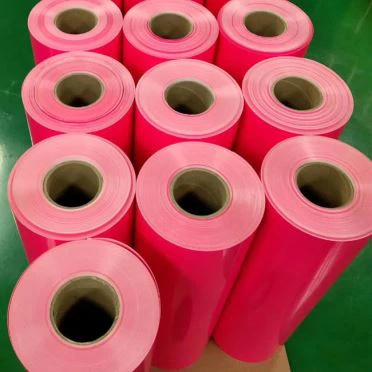
Silicone Heat Transfer Vinyl Roll As a supplier of silicone heat transfers for garment accessories, I’m committed to providing high – quality products and helpful advice. If you’re facing issues with damaged silicone heat transfers or are interested in purchasing new ones, I encourage you to reach out. We can discuss your specific needs, offer solutions, and ensure that you get the best products for your garment accessory projects. Whether you’re a small business owner or a large – scale manufacturer, we’re here to support you.
References
- "Silicone Materials Handbook" by John W. Sinko
- "Garment Decoration Techniques" by Mary K. Dreschler
- Technical manuals provided by silicone heat transfer manufacturers
DG Triangle New Material Technology Co., Ltd.
DG Triangle New Material Technology Co., Ltd. is one of the leading silicone heat transfers for garment accessories manufacturers and suppliers in China. We warmly welcome you to wholesale quality silicone heat transfers for garment accessories made in China here from our factory. For pricelist and quotation, contact us now.
Address: Room 603, Building 4, No. 78 Longyan 13th Road, Humen Town, Dongguan City, Guangdong Province Chinaan.
E-mail: info@dgtriangle.com
WebSite: https://www.dgtriangle.com/
