Hey there! As a supplier of enteric coated capsules, I often get asked a bunch of questions about what these little guys can do. One question that pops up quite a bit is, "Can enteric coated capsules be used for pain relief?" Well, let’s dig into this topic and see what we can find out. Enteric Coated Capsules
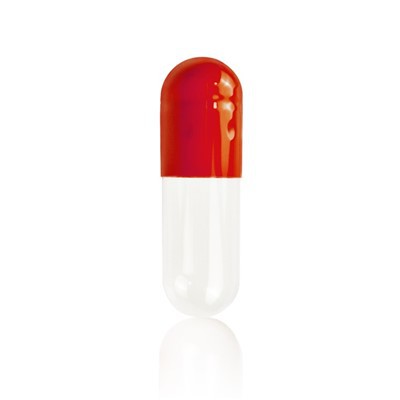
First off, let’s talk a bit about what enteric coated capsules are. These capsules are designed in a special way. The coating on them is made to resist the acidic environment of the stomach. It only starts to break down once it reaches the more alkaline environment of the small intestine. This is super useful for a few reasons. For one, it can protect certain medications from being destroyed by the stomach acid. And it can also help prevent the medication from irritating the stomach lining.
Now, when it comes to pain relief, there are a ton of different painkillers out there. Some of the most common ones are non – steroidal anti – inflammatory drugs (NSAIDs) like ibuprofen and aspirin, and opioids like codeine and morphine.
Let’s start with NSAIDs. These drugs are great for mild to moderate pain, like headaches, muscle aches, and menstrual cramps. But here’s the thing: NSAIDs can be a real pain in the stomach, literally. They can cause irritation, ulcers, and even bleeding in the stomach lining. That’s where enteric coated capsules come in handy. By using enteric coated capsules for NSAIDs, we can get the pain – relieving benefits of the drug without as much of the stomach – upset risk.
For example, if you take regular aspirin, it starts to dissolve in the stomach. This can lead to irritation, and over time, it might cause problems. But if the aspirin is in an enteric coated capsule, it passes through the stomach mostly intact and then releases in the small intestine. This means less direct contact with the stomach lining and potentially fewer side effects.
But it’s not all sunshine and rainbows. There are some limitations. Sometimes, the enteric coating might not work as well as we’d like. If the capsule doesn’t reach the small intestine in one piece, the drug can still be released in the stomach. And in some cases, the enteric coating can slow down the absorption of the drug. So, you might not feel the pain – relieving effects as quickly as you would with a regular capsule or tablet.
Now, let’s talk about opioids. Opioids are used for more severe pain, like pain after surgery or from cancer. These drugs are very potent, but they also come with a whole host of side effects. One of the common side effects is nausea and vomiting. Some people think that using enteric coated capsules for opioids might help reduce these side effects. The idea is that by releasing the drug in the small intestine instead of the stomach, it might be less likely to trigger those queasy feelings.
However, there’s not as much research on using enteric coated capsules for opioids compared to NSAIDs. And the effectiveness of this approach can vary from person to person. Some people might still experience nausea and other side effects even with the enteric coating.
Another factor to consider is that not all painkillers are suitable for enteric coating. The chemical properties of the drug matter. Some drugs might react with the enteric coating material, or they might not be stable enough in the enteric – coated form. So, it’s important to work with a team of experts to figure out if a particular painkiller can be effectively delivered in an enteric coated capsule.
As a supplier of enteric coated capsules, I’ve seen a growing interest in using these capsules for pain relief. More and more pharmaceutical companies are looking into it, and there’s a lot of research going on in this area. We’re constantly working on improving the technology to make sure the enteric coating works as well as possible.
One of the things we’re focusing on is the durability of the enteric coating. We want to make sure that the capsule can survive the harsh environment of the stomach without breaking down too early. At the same time, we want it to dissolve quickly and completely once it reaches the small intestine. This is a bit of a balancing act, but our R&D team is up for the challenge.
We’re also looking at different materials for the enteric coating. Some materials work better for certain drugs than others. By experimenting with different materials, we can find the best combination for each painkiller.
If you’re in the pharmaceutical industry and you’re interested in using enteric coated capsules for pain relief, we’d love to work with you. We can provide high – quality enteric coated capsules that are tailored to your specific needs. Whether you’re developing a new painkiller or looking to improve an existing one, we have the expertise and the resources to help you out.
So, to answer the question "Can enteric coated capsules be used for pain relief?" The answer is yes, in many cases. But like any medical solution, it’s not a one – size – fits – all approach. There are pros and cons, and it depends on the type of painkiller and the individual patient.
If you’ve got any questions about enteric coated capsules or want to discuss a potential project, don’t hesitate to reach out. We’re here to help you make the most of this technology for pain relief.
HPMC Capsules References
- Goodman and Gilman’s The Pharmacological Basis of Therapeutics, 13th Edition
- Journal of Pharmaceutical Sciences
- American Journal of Gastroenterology
Hubei Kornnac Pharmaceutical Co., Ltd.
Hubei Kornnac Pharmaceutical Co., Ltd. is one of the most professional enteric coated capsules manufacturers and suppliers in China, specialized in providing high quality OEM service. Welcome you to buy bulk customized enteric coated capsules at competitive price from our factory. Also, samples are available.
Address: No.439 Hebei Avenue, Chibi, Hubei Province, 437300, China.
E-mail: service@kornnaccaps.com
WebSite: https://www.kornnaccaps.com/
