As a supplier of Feeding & Conveying Equipment, I’ve witnessed firsthand how these technologies are revolutionizing the pharmaceutical industry. In this blog, I’ll delve into the various applications of Feeding & Conveying Equipment within the pharmaceutical sector, highlighting their significance and the benefits they bring. Feeding & Conveying Equipment

1. Raw Material Handling and Storage
The first crucial step in pharmaceutical manufacturing is the handling of raw materials. Feeding & Conveying Equipment plays a vital role in transporting bulk raw materials, such as active pharmaceutical ingredients (APIs), excipients, and other powders or granules, from storage areas to processing equipment.
1.1 Pneumatic Conveying Systems
Pneumatic conveying systems are widely used for transporting powders and granules in the pharmaceutical industry. These systems use air or gas to move materials through a pipeline, offering a dust – free and efficient method of conveyance. They can be designed to handle a wide range of materials, from fine powders to larger granules, and can transport materials over long distances and around obstacles.
For example, when a pharmaceutical company receives a large shipment of an API from a supplier, a pneumatic conveying system can be used to transfer the material from the storage silo to the blending or mixing equipment. This not only reduces the risk of material contamination but also improves the overall efficiency of the manufacturing process.
1.2 Screw Conveyors
Screw conveyors are another common type of Feeding & Conveying Equipment used in raw material handling. They consist of a rotating screw within a trough or tube that moves materials along the axis of the screw. Screw conveyors are particularly suitable for handling materials that require a gentle conveying action, such as fragile granules.
In a pharmaceutical manufacturing plant, screw conveyors can be used to transfer raw materials from storage hoppers to weighing stations or other processing equipment. They can be designed to operate at a controlled speed, ensuring accurate and consistent material flow.
2. Tablet and Capsule Manufacturing
Tablet and capsule manufacturing is one of the most important processes in the pharmaceutical industry, and Feeding & Conveying Equipment is essential for ensuring the smooth and efficient operation of these processes.
2.1 Tablet Press Feeding Systems
In tablet manufacturing, Feeding & Conveying Equipment is used to supply the tablet press with the correct amount of granulated material. This is typically achieved through a vibratory feeder or a screw feeder.
A vibratory feeder uses vibrations to move the granulated material from a hopper to the tablet press. It can be adjusted to control the flow rate of the material, ensuring that the tablet press receives a consistent supply of material. This is crucial for producing tablets of uniform weight and quality.
A screw feeder, on the other hand, uses a rotating screw to convey the material to the tablet press. It is often used for handling materials that are difficult to flow, such as sticky or cohesive powders.
2.2 Capsule Filling Conveyor Systems
In capsule manufacturing, Feeding & Conveying Equipment is used to transport empty capsules to the filling machine and then to convey the filled capsules to the next stage of the process. Conveyor systems are designed to handle the delicate nature of capsules, ensuring that they are not damaged during the conveying process.
These conveyor systems can be customized to fit the specific requirements of the capsule filling machine, including speed, length, and width. They can also be integrated with other equipment, such as capsule polishing machines and inspection systems, to create a seamless manufacturing process.
3. Powder Blending and Mixing
Powder blending and mixing are critical steps in pharmaceutical manufacturing, as they ensure the uniform distribution of APIs and excipients in the final product. Feeding & Conveying Equipment plays a key role in these processes by transporting the individual components to the blender or mixer.
3.1 Continuous Blending Systems
Continuous blending systems are increasingly being used in the pharmaceutical industry to improve the efficiency and quality of powder blending. These systems use Feeding & Conveying Equipment to continuously feed the individual components into the blender at a controlled rate.
For example, a loss – in – weight feeder can be used to accurately measure and feed each component into the blender. The loss – in – weight feeder measures the weight of the material in the hopper and adjusts the feed rate to maintain a constant flow of material. This ensures that the blend is consistent and of high quality.
3.2 Batch Mixing Systems
In batch mixing systems, Feeding & Conveying Equipment is used to transfer the individual components from storage to the mixer. Once all the components have been added to the mixer, the mixing process begins.
After the mixing is complete, Feeding & Conveying Equipment is used to transfer the blended material from the mixer to the next stage of the process, such as tablet pressing or encapsulation.
4. Coating and Packaging Processes
In the coating and packaging processes of pharmaceutical products, Feeding & Conveying Equipment is also indispensable.
4.1 Tablet Coating Feeding
In tablet coating, Feeding & Conveying Equipment is used to deliver the tablets to the coating pan and to supply the coating material. The tablets are typically transported on a conveyor belt to the coating pan, where they are coated with a thin layer of film.
The coating material, which can be a polymer solution, a sugar solution, or other types of coatings, is fed into the coating pan using a pump or a feeding system. The Feeding & Conveying Equipment ensures that the tablets are evenly coated and that the coating process is carried out efficiently.
4.2 Packaging Conveyor Systems
In the packaging process, conveyor systems are used to transport the finished pharmaceutical products, such as tablets, capsules, or vials, from the manufacturing area to the packaging area. These conveyor systems can be designed to handle different types of packaging materials, such as blister packs, bottles, and cartons.
They can also be integrated with other packaging equipment, such as labeling machines, sealing machines, and inspection systems, to form a complete packaging line. This improves the overall efficiency of the packaging process and reduces the risk of product damage or contamination.
5. Quality Control and Validation
Feeding & Conveying Equipment also plays a role in quality control and validation in the pharmaceutical industry.
5.1 Material Traceability
Modern Feeding & Conveying Equipment can be equipped with sensors and monitoring systems that provide real – time data on the material flow, temperature, humidity, and other parameters. This data can be used to ensure the traceability of the materials throughout the manufacturing process.
For example, if a quality issue is detected in a batch of pharmaceutical products, the data from the Feeding & Conveying Equipment can be used to track the origin of the raw materials, the processing steps, and the equipment used. This helps to identify the root cause of the problem and take appropriate corrective actions.
5.2 Validation of Conveying Processes
Feeding & Conveying Equipment needs to be validated to ensure that it meets the strict quality and regulatory requirements of the pharmaceutical industry. Validation involves a series of tests and procedures to confirm that the equipment operates consistently and accurately.
This includes testing the flow rate, the accuracy of material feeding, and the cleanliness of the equipment. By validating the Feeding & Conveying Equipment, pharmaceutical companies can ensure the quality and safety of their products.
Conclusion
In conclusion, Feeding & Conveying Equipment is an integral part of the pharmaceutical industry, with applications spanning from raw material handling to finished product packaging. These technologies not only improve the efficiency and productivity of pharmaceutical manufacturing processes but also ensure the quality and safety of the final products.
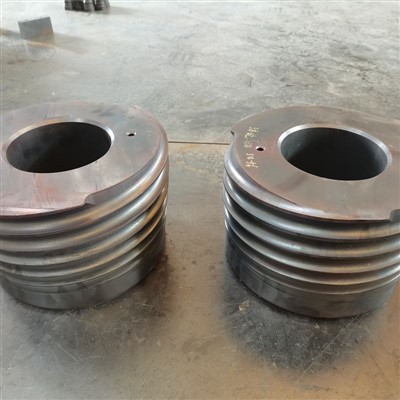
As a leading supplier of Feeding & Conveying Equipment, we are committed to providing high – quality, innovative solutions that meet the specific needs of the pharmaceutical industry. Our equipment is designed to comply with the strictest regulatory standards, ensuring that your manufacturing processes are both efficient and compliant.
Skew Rolling Mill Rolls If you are in the pharmaceutical industry and are looking for reliable Feeding & Conveying Equipment solutions, we would be delighted to assist you. Contact us today to discuss your requirements and learn more about how our products can enhance your manufacturing processes.
References
- Good Manufacturing Practice for Medicinal Products, European Commission.
- Handbook of Pharmaceutical Manufacturing Formulations, various contributors.
- Pneumatic Conveying Design Guide, George Klinzing, John Marcak, and John P. Wypych.
Shenyang Muren Machinery Co., Ltd.
Address: No.16 Nansan Road, Shenyang Jinhai Economic Zone, Liaoning Province, China
E-mail: mulunjixie@163.com
WebSite: https://www.symuren.com/
