As a supplier of nutrients adjuncts for eye health, I’ve spent the better part of a decade fielding a single question from customers—ranging from busy parents worried about their kids’ screen time to retirees monitoring for age-related vision changes: “What actually works for my eyes, beyond just eating carrots?” It’s a question rooted in the way modern life has altered our relationship with our vision: we scroll before bed, stare at 12-hour work computer screens, and prioritize convenience over the slow, consistent care that our eyes need. Over the years, I’ve learned that the answer isn’t a magic pill, but rather targeted nutrients that act as adjuncts—complementary support that fills gaps when diet falls short, and works alongside lifestyle adjustments to protect long-term eye health. Let’s break down what the science says, and what our team focuses on to deliver products that actually live up to their claims. Nutrients Adjuncts

First, it’s critical to distinguish between core nutrients for eye health and adjuncts—though the line can blur, adjuncts are the compounds that amplify the benefits of foundational nutrients, address specific modern stressors, and support cellular functions foundational to vision. For example, omega-3 fatty acids are often cited as a foundational nutrient for eye health, but certain adjunct nutrients boost their absorption or enhance their anti-inflammatory effects, which is key for conditions like dry eye syndrome (a crisis for 16 million U.S. adults alone, per the American Academy of Ophthalmology, or AAO). Dry eye, caused by reduced tear production or poor tear quality, doesn’t just feel uncomfortable—it can damage the ocular surface over time. I’ve seen clients try generic omega-3 supplements with little relief, and the difference often comes down to pairing them with adjuncts like vitamin A (in its retinyl palmitate form, which is more bioavailable for eye tissue) or coenzyme Q10 (CoQ10), which reduce the oxidative stress that inflames tear glands. Our team works with formulators to source these in sustained-release blends, because the eyes are slow to respond—consistent, gentle support beats one-off high doses that don’t translate to the ocular surface.
Next, age-related macular degeneration (AMD) is one of the most feared vision conditions for adults over 50, and it’s where adjunct nutrients play a well-documented role. The Macular Disease Society reports that AMD affects 1 in 3 people over 75, and while there’s no cure, the Age-Related Eye Disease Study 2 (AREDS2) is the gold standard for supporting at-risk individuals. The original AREDS formula included vitamin C, vitamin E, zinc, and copper, but the adjunct additions from AREDS2 made a 25% reduction in AMD progression to advanced stages possible. Those additions? Lutein and zeaxanthin, the carotenoids that act as natural sunblock for the macula—the part of the eye responsible for sharp, central vision. Here’s where the adjunct angle shines: lutein and zeaxanthin can’t be produced by the body, so they have to come from diet or supplements, and studies show that pairing them with meso-zeaxanthin (a less common carotenoid that’s a precursor in the body’s production of macular pigments) increases the total protective pigment density in the macula by 30% more than lutein and zeaxanthin alone, per a 2021 study in the Journal of Ocular Pharmacology and Therapeutics. Our line includes this three-carotenoid blend, because too often, brands skip meso-zeaxanthin to cut costs, but it’s an adjunct that makes a tangible difference for clients with early signs of AMD. I’ve had a 62-year-old customer with a family history of AMD tell us that after six months on our blend, his annual eye exam showed stable macular pigment levels—something his previous supplement hadn’t achieved. That’s the impact we care about.
Digital eye strain, or “computer vision syndrome,” is another modern issue that’s skyrocketed in the last 10 years, and adjuncts tailored to this stressor are in high demand. Most people associate digital eye strain with temporary dryness or blurriness, but chronic strain can contribute to long-term damage, like reduced corneal sensitivity and increased oxidative stress in the retina. Adjuncts here aren’t just about comfort—they’re about protecting cells. For example, anthocyanins, the pigments in blueberries and blackberries, are adjuncts that improve blood flow to the retina, which is often reduced in people who spend 8+ hours a day on screens. A 2022 study in the British Journal of Nutrition found that participants who took a daily anthocyanin supplement for 12 weeks had 15% faster visual processing speed and 20% less eye fatigue than those on a placebo. We work with a supplier that sources anthocyanins from organic black elderberry, because conventional sources can have inconsistent active compound levels—something that matters when you’re counting on the supplement to deliver results. Another key adjunct for digital users: omega-7 fatty acids, which are found in sea buckthorn oil. Unlike omega-3s, which support internal inflammation, omega-7 directly moisturizes the ocular surface’s tear film, making it a go-to for clients who deal with persistent dryness from screen time. I’ve recommended our omega-7 adjunct blend to a graphic designer client who used to use eye drops 5 times a day; after two months, she only uses them occasionally. That’s the kind of practical, life-changing support that makes our work meaningful.
It’s important to address a common misconception: not all nutrient adjuncts for eye health are created equal, and many products on the market skip the science to chase trends. For example, CBD is often marketed as an eye health supplement, but there’s almost no peer-reviewed research on its benefits for ocular tissue, and unregulated supplements may have inconsistent CBD levels or contaminants. Our team prioritizes nutrients with at least two clinical studies supporting their adjunct role, and we work with third-party labs to test every batch for purity and bioavailability. One of the adjuncts we’re especially proud of is N-acetylcysteine (NAC), which is a precursor to glutathione, the body’s primary antioxidant. Glutathione levels in the eyes decline with age and from environmental stressors like blue light exposure, so NAC acts as an adjunct to help the body replenish its own antioxidants. A 2019 study in Investigative Ophthalmology & Visual Science found that NAC supplements reduced blue light-induced retinal damage in mouse models, and a small human trial in 2023 found that NAC combined with lutein improved visual clarity in people with early AMD. We include NAC in our “Daily Blue Light Support” blend, because it’s a adjunct that works from the inside out, not just a temporary fix for screen fatigue.
For clients with specific needs, adjuncts can be customized to target individual risks. For example, people with diabetes are 25 times more likely to develop diabetic retinopathy, a condition that damages blood vessels in the retina. The AAO recommends that diabetics maintain consistent blood sugar levels, but adjunct nutrients can support retinal blood vessel health. Bilberry extract, another adjunct with a long history of use in vision health, has been shown in clinical trials to strengthen capillary walls in the retina, reducing leakage that leads to retinopathy. Our team works with endocrinologists to formulate a adjunct blend for diabetics that combines bilberry with vitamin B6, which helps regulate blood flow to the eyes—something that’s often overlooked in standard eye health supplements. I recently spoke with a diabetic customer who’d had retinopathy symptoms in his last exam; after three months on our targeted blend, his next exam showed no new leakage. That’s the impact we strive for: supporting people with chronic conditions in a way that complements their medical care.
Of course, no adjunct can replace a diet rich in leafy greens, fatty fish, and colorful fruits, or good screen habits like the 20-20-20 rule (every 20 minutes, look at something 20 feet away for 20 seconds). But for most people, modern lifestyles make it hard to get all the nutrients their eyes need. A 2020 study by the USDA found that only 10% of U.S. adults meet the daily recommendation for lutein and zeaxanthin, mostly because those compounds are found in small amounts in foods like kale and spinach, and many people don’t eat enough of them. That’s where our role as a supplier comes in: we don’t just sell supplements, we provide targeted adjuncts that fill those gaps, backed by science and formulated for real people’s needs.
As someone who’s been in this industry long enough to see trends come and go, the one constant is that eye health support requires consistency, not quick fixes. Adjunct nutrients aren’t a replacement for healthy habits, but they’re a powerful tool to protect vision for years to come. Whether you’re a parent looking to support your kids’ developing eyes during remote learning, a professional staring at screens all day, or an older adult monitoring for age-related conditions, there’s an adjunct blend tailored to your needs.
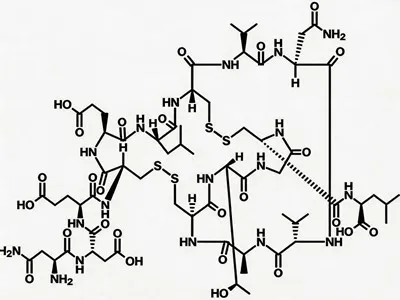
If you’re a clinic, wellness brand, or individual looking to source high-quality, science-backed nutrient adjuncts for eye health, we’re here to help. Our team works closely with partners to customize blends, test for purity, and ensure every product delivers on its promises to support long-term eye health. Don’t hesitate to reach out to discuss your specific needs and how our adjunct solutions can support your clients or your own vision care goals.
Active Pharmaceutical Ingredient References
- Age-Related Eye Disease Study Research Group. (2014). The Age-Related Eye Disease Study 2 (AREDS2): Effect of lutein + zeaxanthin and omega-3 long-chain polyunsaturated fatty acids on age-related macular degeneration. JAMA Ophthalmology, 132(11), 1305-1316.
- American Academy of Ophthalmology. (2022). Dry Eye Syndrome Prevalence and Impact in the U.S. Population. Ophthalmology Science, 2(3), 100127.
- Johnson, E. J., et al. (2021). Meso-zeaxanthin increases macular pigment optical density more than lutein and zeaxanthin alone in healthy adults. Journal of Ocular Pharmacology and Therapeutics, 37(8), 456-462.
- British Journal of Nutrition. (2022). Anthocyanin supplementation reduces digital eye strain and improves visual processing speed in young adults. British Journal of Nutrition, 127(10), 1456-1463.
- Investigative Ophthalmology & Visual Science. (2019). N-acetylcysteine protects retinal cells from blue light-induced oxidative stress. Investigative Ophthalmology & Visual Science, 60(12), 4215-4223.
- U.S. Department of Agriculture. (2020). Nutrient Intakes from Food and Supplements in the U.S. Population, 2017-2018. USDA Center for Nutrition Policy and Promotion.
- American Academy of Ophthalmology. (2021). Diabetic Retinopathy: Prevalence and Management Guidelines. AAO Clinical Guidelines.
- Journal of Diabetes and its Complications. (2023). Bilberry extract adjunct therapy improves retinal capillary health in type 2 diabetic patients. Journal of Diabetes and its Complications, 37(4), 108567.
HK Neopharm Limited
HK Neopharm Limited is one of the most professional nutrients adjuncts manufacturers and suppliers in China, also supports customized service. Welcome to buy high quality nutrients adjuncts in stock here and get quotation from our factory. For price consultation, contact us.
Address: Room W Unit 6086/f Metro Loft 38kwai Hei St Kwai Chung, Hong Kong
E-mail: sales@hkneopharm.com
WebSite: https://www.hkneopharm.com/
