If you’ve ever worked on-site repairing large industrial machinery—think earthmoving equipment, marine engines, or hydraulic presses—you know line boring bars aren’t just another tool. They’re the backbone of any job that demands precise, straight holes in heavy, hardened materials, where a mill won’t fit and a standard drill can’t deliver the alignment you need. For the better part of 12 years, I’ve been on the floor of a line boring bar supplier, talking to operators, foremen, and machinists who swear by their tools and gripe about the small details that derail a job. One detail comes up at least once a week: coolant pressure. Most folks treat it like afterthought—something you dial up or down based on what feels right. But over those years, I’ve watched too many perfect bores turn out lopsided, or a line boring bar seize mid-job, because someone skipped the step of checking their coolant pressure. Let’s break down why that small number on your pump gauge matters more than you think. Line Boring Bar
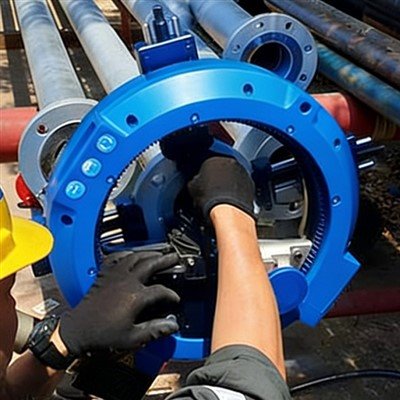
First, let’s ground this in what line boring bar actually does, because context makes the effect of pressure make sense. A line boring bar is a long, rigid cutting tool, mounted to a portable boring machine, used to machine concentric holes in aligned components—say, the two bearing holes in a large excavator boom that have worn out from years of stress. The bar rotates, and a cutting head at its tip shaves away material, creating a hole precise to within thousandths of an inch. That cutting generates a lot of heat. No matter how hardened your tool bit is, friction between the bit and the workpiece, plus the metal chips being sheared off, can drive temperatures up to 1,500°F or higher—hot enough to soften carbide bits, warp the bar’s core, or even weld chips back onto the bore wall. Coolant, then, isn’t just for lubrication here; it’s the main system keeping that process stable.
Now, coolant pressure is different from coolant flow rate, and that’s where most operators mix up. Flow is how much volume of coolant hits the cut in a minute. Pressure is how hard that coolant is forced through the holes in the boring bar’s cutting head or through the coolant lines leading to the tool. Let’s start with the upside: when pressure is set correctly, it fixes three big pain points that ruin a line boring job: heat buildup, chip evacuation, and tool longevity.
Take heat first. I had a customer last winter working on a 50-ton marine diesel engine. He was boring the crankshaft’s main bearing journals, a job that requires a 0.002-inch tolerance across a 12-foot length. He told me he’d been running his coolant at 10 PSI for years—whatever the default on his old pump was. Halfway through the job, his carbide bit glazed over, the edge went soft, and he had to pull the bar out, regrind the bit, and lose two days on site. I walked him through setting pressure to 35 PSI, which is standard for most heavy-duty line boring jobs, and he didn’t have another issue for the rest of that year. Here’s why that works: low-pressure coolant doesn’t penetrate the gap between the cutting bit and the workpiece far enough. It splatters on the surface, not into the shear zone where the heat is generated. High-pressure coolant (we’re talking 30–60 PSI for most industrial line boring, depending on the bar size) gets right into that tiny gap, pulling heat away from the bit and the bore wall before it can warp the bar or alter the workpiece’s material properties. Warped bar = misaligned holes, which is a disaster for machinery that relies on smooth, concentric rotation.
Next, chip evacuation. Those metal chips from line boring aren’t small, soft shavings—they’re thick, jagged, and can be as long as several inches, depending on the material. If they get trapped between the cutting head and the bore, they can scratch the bore wall, jam the bar, or even snap the tool right there on site. A few months back, a construction foreman called me panicking because his line boring bar was stuck inside a bulldozer’s track frame. He’d been using a 15 PSI coolant pump, and the chips were building up so fast they wedged the bar in the hole. Cranking the pressure to 40 PSI sent a high-velocity stream of coolant through the head’s nozzles, blowing those chips out the back of the cut immediately. That’s another key point: low pressure can’t move heavy, thick chips effectively. You need enough force to push them away from the cutting zone, so they don’t get re-sharpened by the bit or leave marks on the finish.
Then there’s tool longevity. Over time, too low a pressure wears out bits twice as fast, because the heat makes carbide brittle. I remember another customer who went through a set of 10 carbide bits in three days on a sewer pump housing job—turns out he was running coolant at 12 PSI. Once he bumped it to 38 PSI, those same bits lasted two weeks. The high pressure doesn’t just cool; it also reduces friction between the bit and the workpiece, so the cutting action is smoother, less abrasive on the tool edge.
But here’s the catch: too much pressure is just as bad as too little. I’ve seen operators crank their coolant up to 80 PSI because they think more is better, and that leads to its own set of problems. For one, excessive pressure can cause coolant to atomize, turning into a fine mist that coats the job site, makes the floor slippery, and creates a health hazard with prolonged exposure to metalworking fluids. More importantly, high pressure can stress the line boring bar itself, especially the small coolant lines running through its core. Many portable line boring bars are precision-machined, and forcing too much fluid through internal passages can cause fatigue, leading to cracks or even a snapped bar mid-operation. I had one customer who snapped a 10-foot line boring bar because he ran 70 PSI through it; the internal line from the coolant inlet to the cutting head had a tiny flaw, and the extra pressure blew it apart. That’s a $2,000 tool ruined because of a 20 PSI mistake. Excess pressure can also disrupt the chip formation process, turning long, manageable chips into tiny, abrasive particles that get stuck in the cut, scratch the bore, and reduce surface finish quality. For jobs that need a smooth bore (like engine bearings), that extra pressure can ruin the fit and cause premature wear down the line.
So, what’s the sweet spot for line boring bar coolant pressure? It’s not a one-size-fits-all number, but there are guidelines we share with every customer who buys a bar from us. For most standard line boring jobs on steel castings, excavator booms, or small marine engines, 30 to 50 PSI is ideal. If you’re working on hard materials like hardened steel or titanium, you can go up to 55 PSI to get the heat you need, but never more than 60. For softer materials like aluminum, 20 to 30 PSI works—enough to clear chips without wasting coolant or risking surface damage. There are two other factors to adjust, too: bar diameter and coolant nozzle size. Smaller diameter line boring bars (under 2 inches) have smaller internal coolant passages, so you can’t run as much pressure—around 25 to 35 PSI. Larger bars (over 6 inches) can handle up to 55 PSI, because their internal lines are bigger and more robust.
I always tell operators to test their pressure before starting a job, not when something goes wrong. Do a test bore on a scrap piece of the same material you’ll be working on, and monitor three things: does the coolant reach the entire cutting edge of the bit? Do chips evacuate consistently, no buildup around the hole? Is the bit staying sharp through the full cut? If the bit is glazing or chips are building up, bump pressure by 5 PSI. If coolant is spraying out of the bore or chips are being blown too far (wasting coolant and making a mess), dial it back by 5.
Over the years, I’ve also learned that many operators skip checking their coolant pressure because they don’t have a gauge on their pump—something we always include with every line boring bar we sell, and we recommend that every job site add a high-quality pressure gauge to their coolant system. It’s a $20 part that can save you from thousands in tool repairs, lost labor, and rework. I once had a customer who skipped buying a gauge, and he ended up reworking a 10-foot excavator boom three times because of misaligned bores, all because his pump’s pressure was slipping to 10 PSI without him noticing.
At the end of the day, line boring isn’t just about the tool—it’s about the small, often overlooked details that make a job successful. Coolant pressure isn’t a trivial setting; it’s a balancing act that affects cut quality, tool life, and on-site efficiency. Too low, and you’re wasting time reworking, ruining tools, and risking safety. Too high, and you’re damaging your equipment, wasting coolant, and creating hazards. Get it right, and you’ll finish jobs faster, with better results, and fewer headaches on the road.
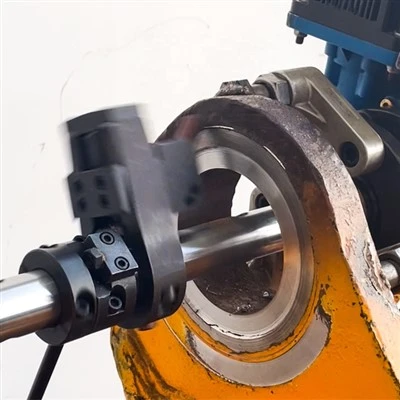
If you’re working on a line boring project and you’ve got questions about coolant pressure, or if you’re in the market for a line boring bar built to handle even the toughest jobs with the right pressure performance, reach out to our team. We’ve worked with machinists, foremen, and on-site crews for years to tailor tools to their specific needs, and we can help you get the most out of your setup. Don’t let a small setting like coolant pressure derail your next big job.
CNC Thread Milling References
- DeVries, W. R. (1985). Metal Cutting Principles. Prentice-Hall.
- Smith, G. T. (2000). Technology of Machine Tools. Industrial Press.
- American Society of Mechanical Engineers (ASME). (2018). B94.48-2018: Portable Line Boring Machines and Tools.
- Oxley, P. L. B. (1989). The Mechanics of Machining: An Analytical Approach to Assessing Machinability. Ellis Horwood Limited.
Shangqiu JDA Machinery Technology Co., Ltd.
As one of the most professional line boring bar manufacturers and suppliers in China, our products have good reputation in the market. Please rest assured to buy cheap line boring bar for sale here from our factory. Quality products and reasonable price are available.
Address: No.55 Pingyuan Middle Road, Liangyuan District, Shangqiu, Henan, China
E-mail: sales@jdamachines.com
WebSite: https://www.jda-machines.com/
