If you’re in the steel industry, you’ve definitely heard the term “ferro manganese” thrown around a lot—and if you’re here, chances are you’re either looking to source it as a supplier, or just trying to wrap your head around why its price has been bouncing around so much lately. I’ve been in the ferro manganese game for 12 years now, running a small but reliable supply operation out of the Midwest, and I get at least a dozen calls a week from steel mill operators, scrap yard managers, and even small foundry owners all asking the same thing: what’s the actual market price right now? No fluff, no industry jargon that doesn’t mean anything, just the real stuff. Ferro Manganese
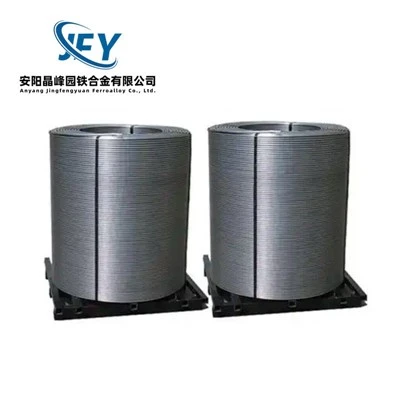
First, let’s get one thing straight: ferro manganese isn’t a single, one-size-fits-all product. It’s an alloy of iron and manganese, used mostly to make steel stronger, remove impurities like sulfur and oxygen, and add durability to things like car parts, construction beams, and even wind turbine components. The price doesn’t just exist in a vacuum—it shifts every week based on three big things: supply, demand, and those wild, global commodity swings that no one can fully predict. Lately, 2024 has been a weird year for it, so let’s break down the numbers I’m seeing firsthand, not the generic reports you’ll find on random finance blogs.
Right now, as of mid-2024, the average spot price for standard medium-carbon ferro manganese (which is the stuff most steel mills use) is sitting around $1,250 to $1,450 per metric ton. Wait, why the range? Let’s explain that. If you’re buying small batches—say, less than 50 tons for a small shop—you’ll be on the higher end, closer to $1,400 a ton, because smaller orders have more handling fees. If you’re a big mill pulling 500+ tons a month, you can lock in a longer-term contract, which puts you around $1,250 a ton. That’s a 14% drop from where we were at the start of 2024, when prices were hovering around $1,450 to $1,550 a ton. Let me tell you why that drop happened, because it’s not just “the market shifted” — it’s the real stuff that affects my day-to-day.
First, supply. Manganese ore is mined mostly in South Africa, Australia, and Gabon, and about 70% of the world’s ferro manganese comes from China, right? Well, earlier this year, China rolled back some export quotas, plus they had a mild industrial slowdown in their steel sector—so they didn’t need to buy as much manganese ore from global miners, which pushed ore prices down. Then, on the domestic side in the U.S., a couple of smaller mines in Mississippi ramped up production of high-grade manganese ore this year, which meant less reliance on imports for U.S. ferro manganese producers. That added a little extra supply here at home, which kept prices from spiking. On the flip side, there are kinks: the Port of Houston had a week-long closure in March due to a strike, so that delayed shipments of ferro manganese from Mexico, which made some spot prices jump for a couple of weeks before leveling out. That’s the messy, real stuff you don’t see on the average market report.
Then there’s demand. The steel sector is the biggest user of ferro manganese, so when demand for steel changes, ferro manganese prices follow. Early 2024 was slow for U.S. construction—commercial building permits were down 8% in Q1, and auto production slowed a bit because of higher interest rates, so mills didn’t need as much alloy. But wait, that’s been shifting lately: Q2 2024 saw a 10% jump in residential construction starts, and auto factories are ramping up EV production because of new tax credits. EVs need more high-strength steel, which means more ferro manganese. That’s why prices bounced back from that January low—we saw a 5% rise between May and June, and I’m getting more inquiries from mills needing to restock ahead of the summer build season.
Now, let’s talk about the different grades, because that’s a big mistake people make when asking “what’s the price.” High-carbon ferro manganese (the cheapest grade, used for basic structural steel) is around $1,100 to $1,300 a ton right now, while low-carbon (for specialty steel, like aerospace parts) is way higher, around $2,100 to $2,300 a ton. I can’t stress this enough: if you’re calling asking for “ferro manganese” without mentioning the grade, you’re going to get a wrong number. I’ve had guys call me thinking they can get the same price for high and low carbon, and that’s just not how it works.
Another factor that’s been driving prices a lot lately is energy costs. Making ferro manganese is energy-intensive—you have to heat manganese ore to really high temps in furnaces. Natural gas prices in the U.S. jumped 12% this spring because of pipeline maintenance, which means my production costs went up a little, and that gets passed on, but not all the way, because I don’t want to lose customers. If natural gas stays high through the summer, we might see a 5% price increase by Q3, that’s not a prediction, that’s just what I’m seeing from other suppliers in the Midwest.
Wait, let’s talk about how this affects a small supplier like me, not the big corporations. I don’t have the same bulk shipping deals as the big producers in China, so my prices are a little higher than their FOB (free on board) rates, but you don’t have to deal with the red tape of ordering from overseas, and you get the flexibility to adjust orders if your steel demand shifts suddenly. For example, last month, a mill called me needing an extra 100 tons of medium-carbon ferro manganese in two weeks because they landed a big construction contract—something a Chinese supplier would’ve taken 6 weeks to deliver, but I had inventory in Detroit, so I got it there in 5 days. That’s the value I offer, which is why my prices are competitive even with the global rates.
I also get a lot of questions about “is this a good time to buy?” Honestly, if you’re a mill needing to lock in prices for the next 6 months, now is a decent time. Prices are lower than they were in 2023, and most analysts are predicting a gradual increase through the rest of the year as steel demand picks up. But if you’re waiting for them to drop more, I wouldn’t hold out too long—manganese ore prices are ticking up again in June, so that will push alloy prices up soon.
Let me give you a recent example. A small structural steel company in Ohio reached out to me last month, they’d been buying from a Chinese supplier for years, but their last shipment took 3 weeks and had some quality issues (they found extra sulfur in the alloy, which made their beams fail inspections). They switched to me, I quoted them $1,320 a ton for 200 tons, which was $20 cheaper than their Chinese supplier’s landed cost, and I delivered it in 7 days, no quality issues. That’s the kind of thing that’s pushing domestic demand for ferro manganese up right now—U.S. mills and fabricators are prioritizing local suppliers to avoid shipping delays and quality issues, which is a big shift from 2020 when everyone was buying overseas for cheap.
Now, let’s clear up some common myths. You might see a headline that says “ferro manganese prices hit a 2-year low!” and that sounds great, but that’s usually the FOB price from a Chinese port, not the landed price you’d pay in the U.S. Add shipping, tariffs, and domestic handling, and that $1,000 FOB becomes $1,200 to $1,300 on your dock, which is pretty much what you’d pay a local supplier. So don’t get tricked by those generic numbers—always ask for landed cost, not FOB, if you’re comparing.
Another thing: inventory. Right now, I have about 800 tons of medium-carbon ferro manganese in stock at my warehouses in Detroit and Chicago, which is enough to cover 4-5 big orders. But if another Port of Houston strike or a mine shutdown in South Africa happens, inventory could dry up fast, and prices would spike. That’s a risk that buyers have to consider—if you need a steady supply, locking in a contract now before things get tight is a smart move.
I should also mention that price can vary by region. If you’re on the West Coast, shipping costs from Midwest warehouses add about $30 to $50 a ton, so your price would be around $1,280 to $1,480, depending on order size. If you’re in the Southeast, it’s a little cheaper than the West Coast, around $1,260 to $1,460. That’s why it’s always better to reach out to a local supplier in your region, instead of a national one, to get the most accurate price for your location.
Now, let’s get real about where this is all going. I talk to other suppliers, mill managers, and commodity brokers every week, and the consensus is that we’ll see prices in the $1,250 to $1,500 range for the rest of 2024, with a 5-7% increase in Q4 as demand picks up for winter construction and auto production. There’s no big spike coming, no crash, just steady, small shifts based on how the steel sector does.
If you’re here because you’re looking to buy ferro manganese, not just learn about prices, let’s cut to the chase. I don’t do long, confusing contracts, no hidden fees, and I can adjust your order size or delivery schedule if your needs change. Whether you need 20 tons for a small foundry or 500 tons for a big steel mill, I can give you a transparent, up-front price right now. I’ve been doing this for years, and I pride myself on being the supplier that shows up when you need ferro manganese, no excuses.

So if you’re ready to talk numbers, ask about grades, or even just get a quick quote, reach out. No stuffy sales calls, no generic email templates, just a straight answer to whatever you need. Whether you’re a first-time buyer or a seasoned mill operator, I can help you figure out what works for your budget and your timeline. I’m here to make sourcing ferro manganese as easy as possible, because I know how important that alloy is to what you build every day.
Alloy References
- Metal Bulletin, “Ferro Manganese Market Update – Mid-2024”
- U.S. Geological Survey, Manganese Mineral Commodity Summaries 2024
- American Iron and Steel Institute, 2024 Steel Demand Forecast
- Platts Commodity Data, Ferro Manganese Price Benchmarks – June 2024
- U.S. Energy Information Administration, Natural Gas Price Report – Mid-2024
Anyang Jingfengyuan Ferroalloy Co., Ltd.
As one of the most professional ferro manganese manufacturers and suppliers in China, we’re featured by quality products and good price. Please rest assured to buy bulk ferro manganese in stock here and get quotation from our factory. We also accept customized orders.
Address: Longquan Town Industrial Park, Long’an District, Anyang City, Henan Province
E-mail: Jingfengyuan@jfyferroalloys.com
WebSite: https://www.jfy-ferroalloy.com/
