If you’re a contractor, a factory floor manager, or even a DIYer who’s stocked up on hardener for epoxy, urethane, or polyurea projects—you might’ve ignored the “storage” label on the can once, only to end up with a batch that clumps, thickens, or straight up doesn’t cure when you need it. I’ve seen this so many times, especially from new folks who reach out to my team as a hardener supplier, panicking because their leftover product went bad before they could use it. Hardener isn’t like a bag of cement or a tub of paint—its chemical structure is super sensitive to its environment, and skimping on proper storage wastes money, delays jobs, and even poses safety risks if you mess it up. Let’s break down the real, no-fluff storage rules I’ve learned from years of shipping hardener to guys on worksites and in garages all over the place. Hardener
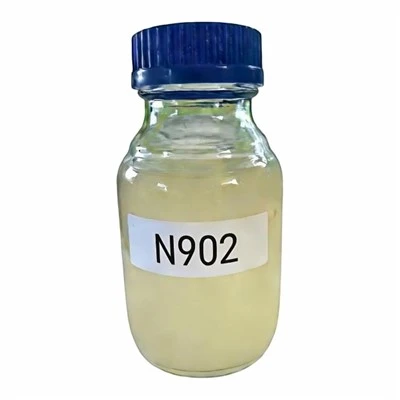
First off, let’s start with the big one temperature. Almost every hardener we sell—whether it’s for epoxy coatings, automotive body work, or concrete repair—comes with a minimum and maximum temp window for storage. And I’m not talking “room temp is fine” vague; I mean specific numbers that’ll make or break your product. Most of our standard amine-based hardeners (the most common type for general use) hate being too cold. If you leave a can in an unheated garage in January, especially if it’s near a window that lets frost seep in, the liquid will start to separate. Those cold-resistant compounds in the hardener will clump together, and when you go to mix it with resin later, it won’t disperse evenly. We’ve had customers send back cans that looked “fine” until they poured it, only to find gritty, lumpy bits at the bottom—all because they stored it in a space that dropped below 40°F (4°C) for a week. On the flip side, heat is just as bad. If you stack pallets of hardener near a loading dock in the middle of summer, where temps hit 100°F (38°C) or higher, you’re speeding up the chemical reaction inside the can. Even if the lid is sealed tight, heat triggers a partial cure while the hardener’s still sitting on the shelf. By the time you open it, it might be thick like honey instead of free-flowing, or even start forming a skin on top before you’ve used half the can. The sweet spot? 50–77°F (10–25°C) for almost all our hardener products. If you’re in a place where that window is hard to hit—like a desert climate or a snowy mountain town—don’t cut corners: use a small space heater for storage in winter, or a ventilated, shaded cooler in summer. It’s a $20 investment vs. wasting a $500 pallet of product that goes bad.
Next, moisture. This is the silent killer of hardener, and it’s the one mistake I see even experienced pros make all the time. Most hardeners (especially isocyanate-based ones, which are common for heavy-duty industrial coatings) react violently with water. Wait—yes, violently. If a drop of water gets into the can, it’ll start a reaction that creates CO2 gas, makes the can swell, and eventually turns the hardener into a solid, useless mess. Even ambient moisture in the air can be a problem if the seal on the can is broken. Let’s say you opened a can last week, poured out what you needed, and just left the lid propped on top instead of screwing it down tight. Over 5 days, humidity in the space gets to 60% or higher—enough moisture seeps in to ruin the whole batch. For that reason, our team always tells customers two things: first, never store hardener in a space that’s damp, like a basement with leaky pipes or a garage with no insulation and wall cracks that let rain get in. Second, every time you open a can, double-check the lid’s gasket—if it’s cracked or torn, replace it before resealing. We send extra gaskets with every bulk order for exactly this reason. Even for our amine-based hardeners, which are a tiny bit more moisture-resistant, too much humidity will still cause premature thickening. I once had a contractor in Florida tell me he “didn’t need to pay attention to moisture” for his epoxy hardener—his whole batch turned into a gel after 2 months, and he had to redo a commercial warehouse job for his client. That’s a $10k mistake all because he skipped locking the lid tight.
Then there’s light. Wait, light? Yeah, I know it sounds weird, but certain hardeners—especially those used for UV-cured coatings or clear epoxies—are light-sensitive. If you leave a can sitting in direct sunlight, especially through a clear window or a plastic storage bin that lets UV rays through, it’ll start to break down the chemical structure. For clear hardeners, that means they’ll yellow over time, which is a disaster if you’re using them for projects like countertop epoxy or automotive clear coats—no one wants a yellow tint ruining a perfect finish. For opaque hardeners, the problem is more about performance: UV exposure can cause the hardener to cure too fast when you mix it, leading to a brittle finish that cracks or chips within a few months. We learned this the hard way a few years back when we shipped a bunch of hardener to a customer in Arizona who stored them on an open loading dock. Half the cans had a faint yellow tint when they arrived, and when he tested the product, 20% of the batches cured too brittle. Now, we always add a small reminder sticker to every can: “Store in shaded, indoor area—avoid direct sunlight.” If you’re short on indoor space, a cheap metal storage cabinet with no glass windows works just as well to block light. It’s not like you need a fancy dark room—just don’t leave it out where the sun hits it all day.
Now, what about storage time? A lot of customers ask: “How long can I keep unopened hardener?” And the answer isn’t just a random number—it depends on how you store it. If you follow the temp, moisture, and light rules, unopened hardener can last 2–3 years from the manufacture date. But if you skimp, that drops to 6 months or less. For opened cans? We tell people to use them within 12 months, max—even if you seal them tight. Because once you break the factory seal, there’s always a tiny bit of air and moisture that gets in, even if you can’t see it. We always suggest testing a small amount of opened hardener before using it on a big job: mix a tiny bit with resin, and if it doesn’t cure within the time frame listed on the can (usually 24 hours), toss it. Don’t risk ruining a whole job because you thought it “looked fine.” I’ve seen guys try to stretch an opened can of hardener for 18 months, only to have it not cure at all on a $20k floor coating project. That’s way worse than just buying a new can when you need it.
Also, don’t make the mistake of stacking hardener wrong. A lot of warehouses and worksites will stack pallets 5 or 6 high, but that’s a bad call for hardener. Most cans are made of thin metal, and if you stack too high, the bottom cans can get crushed, or the lids can bend, breaking the seal. A broken seal equals moisture and light getting in, plain and simple. We tell customers to stack no more than 3 pallets high for small cans, and no more than 2 for 5-gallon buckets. For 55-gallon drums, even less—1 high is best, because they’re heavy and can leak if damaged. If you’re storing drums on their side, that’s a no-go too: rolling the drum can cause the hardener to mix with any moisture that’s built up at the bottom, and it can also damage the bung (the plug where you pour it from). Store drums upright, and make sure they’re on a flat, level surface—no sloped floors that can make liquid shift or leak.
Wait, let’s talk about the difference between types of hardeners, because storage can vary a little. Our isocyanate hardeners, for example, need even stricter moisture control—we recommend using desiccant packs (the small ones you get with new shoes, basically) in the can when you open it, to absorb any extra moisture. Our amine hardeners are a bit more forgiving, but still need to stay within that 50–77°F window. UV-cured hardeners, as I mentioned earlier, are super light-sensitive—so if you’re storing those, you need to make sure the storage area has no LED or fluorescent lights that emit UV rays? Wait, no, actually regular indoor lights are fine, but direct sunlight is the main issue. Some of our specialty low-VOC hardeners? They’re a bit more delicate than standard ones, so I always remind customers to check the specific storage sheet we include with every order, not just the general rules. Because if you stock a low-VOC hardener the same way you’d stock a standard one, you might still have issues.
Now, let’s cover what not to do, because that’s where most people go wrong. Don’t store hardener near chemicals that can react with it—like acids, solvents, or even certain types of resin. For example, if you keep a can of hardener next to a big drum of paint thinner, the fumes from the thinner can seep into the can and mess with the hardener’s chemical makeup. It might not make it unsafe, but it’ll ruin its curing ability. Don’t store it in a truck bed overnight, especially if you’re in a place with extreme temps—trucks get way hotter in summer and way colder at night than a garage, so that’s a guaranteed way to damage the product. And don’t throw leftover hardener in the trash if it’s gone bad—if it’s a partially full can, take it to a hazardous waste disposal site. A lot of people don’t know that spilled or discarded isocyanate hardener can react with water in landfills, creating toxic fumes. That’s why we always make sure our customers know how to dispose of it safely too.
I know, a lot of this sounds like common sense, but it’s easy to forget when you’re busy with jobs. Last week, a customer called our sales team, panicking because he had a pallet of hardener he’d stored in his unheated garage over winter, and half of it was clumpy. We told him exactly what to do: test a small batch, if it works, use it fast, if not, let us take it back (we have a take-back program for unused hardener, by the way, that’s a little perk we offer our regular customers). He ended up having to replace half the batch, but he avoided a bigger headache on his upcoming job. That’s why we’re not just a supplier—we want to help our customers get the most out of their product, because we know how frustrating it is when a job is delayed because of something preventable.
If you’re stocking up on hardener for a big project, or you’ve got leftover cans you need to store for later, don’t cut corners. Follow those temp, moisture, light, and storage time rules. And if you have questions about your specific type of hardener, or you’re not sure if your storage setup is right, just reach out to our team. We’re happy to walk you through it, no sales pitch, just straight answers from people who actually work with this stuff every day. No fancy jargon, no confusing rules—just what you need to know to keep your hardener in good shape, so your projects go off without a hitch.
Water-based Spray Adhesive References
- Polymer Science Learning Center. (n.d.). Storage Conditions for Thermoset Resins and Curing Agents. University of Wisconsin-Madison.
- Occupational Safety and Health Administration (OSHA). (2021). Handling and Storage of Isocyanates in Construction. U.S. Department of Labor.
- American Coatings Association. (2022). Best Practices for Storage of Industrial Coating Components. American Coatings Association.
- National Paint and Coatings Association. (2020). Humidity Effects on Coating Hardener Performance. NPCA Technical Bulletin.
- Construction Industry Institute. (2019). Material Storage Guidelines for Industrial Construction Projects. CII Publication 298.
Guangdong Yrbest High Polymer Technology Co., Ltd.
Guangdong Yrbest High Polymer Technology Co., Ltd. is one of the most professional hardener manufacturers and suppliers in China, featured by quality products and good price. Please rest assured to buy bulk advanced hardener from our factory. Contact us for quotation and free sample.
Address: Room 1701, No. 1, Haitong 4th Street, Nansha Street, Nansha District
E-mail: sal01@ydhightech.com
WebSite: https://www.ydhightech.com/
